Nuovi Arrivi
 Moccasins
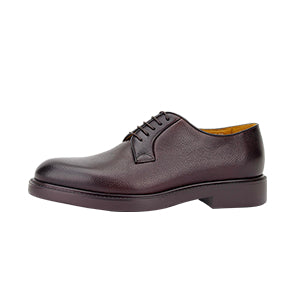 Derby
Derby Oxfords
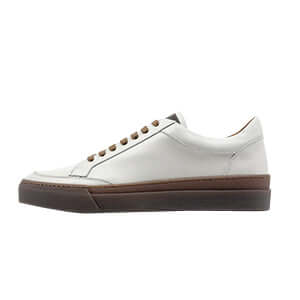 Sneakers
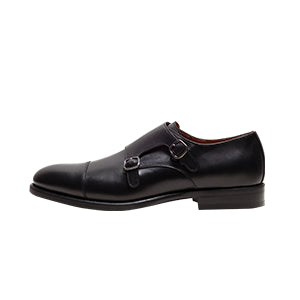 Double Buckle
 Polish girls
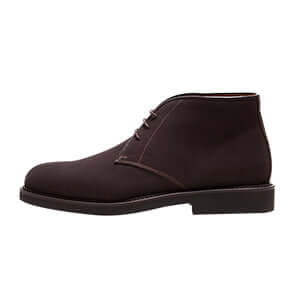
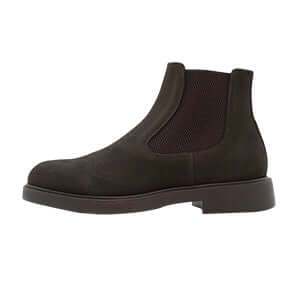 Ankle boots
 End of series
 Nuovi arrivi
 Moccasins
 Derby
Derby Oxfords
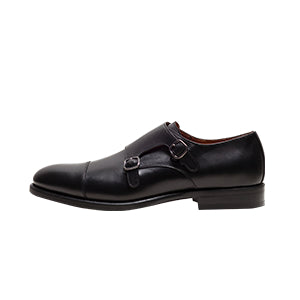 Double Buckle
 Ankle boots
 End of series
 Belts
Belts Shoe care
 Men's socks
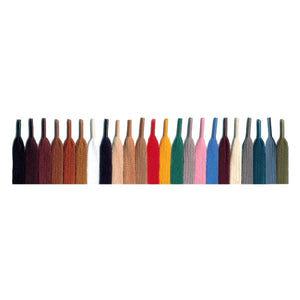 Laces and strings
 Gadgets
 Novelty
How to choose the shoe based on the shape of the foot
We've all felt that strange sensation: wearing a shoe in our size and yet feeling like it's "enemy".
Choose the ideal footwear It starts from an awareness that we often overlook: the number on the box is just a clue, not the definitive solution.
Two people with the same number can have opposite experiences with the same model. The same shoe, in fact, can be absolute comfort for someone or become unbearable for someone else.
This difference has a precise explanation: each foot is a unique architecture. Length, width, instep height and weight distribution create a specific profile that determines how the shoe will accommodate movement.
Nei Master Ciccone laboratories we design footwear starting from an in-depth study of the encounter between the foot and materials. We believe that an excellent shoe should support your nature, not force it.
In this article we will help you to really read the shape of your foot, to get to that fit natural that you feel step by step.
Why do two shoes of the same size fit differently?
If the size is a numeric data, the fit it is a dynamic experience. The reason why two identical models offer different sensations lies in the "heart" of the shoe: the shape.
Each shoe is born on a mold that defines its internal volumes. The three pillars that distinguish one shoe from another are:
- Geometry: a tapered structure precisely wraps a slim foot, while a wide sole is essential for those who need space and stability. Without the correct volume, even the finest leather will be uncomfortable.
- Materials: quality makes the difference. One full-grain leather it has a "memory", it gradually shapes itself to your anatomy. On the contrary, synthetic or too rigid materials maintain a static shape, forcing the foot to adapt to the shoe, and not vice versa.
- Construction: The way the shoe is put together determines how your weight is distributed. A crafted structure balances flexibility and support, influencing how you walk throughout the day.
Understanding that comfort is the result of a thoughtful technical choice is the first step towards daily well-being. But to choose well, you must first know who you are: let's learn how recognize the shape of your foote.
How to understand what type of foot you have: the practical guide of the Ciccone Masters
Recognize your anatomy it is the first step to stop "adapting" to shoes and start choosing footwear that was created for us. In our laboratory, we always say that the foot should never fight against the shoe.
You don't need a podiatrist for a preliminary analysis: a careful look at home is enough to identify proportions, volumes and supports.
Here's how to decode the signals your foot sends you.
Egyptian, Greek or Roman foot: the impact of the toe on the fit
The shape of the fingers is the map which determines where the shoe will exert pressure.
- Egyptian Foot (the big toe is the longest): It is the most common form, where the toes decrease regularly.
- Greek Foot (the second toe goes beyond the big toe): Often called the "model's foot", however, it requires care. Since the second toe is longer, the weight distribution shifts forward.
- Roman foot (the first three toes are similar in length): Here the foot has a more squared and regular plant.
Wide foot, narrow foot and instep: the concept of volume
If length is a measurement, the volume it's the personality of your foot. This is where craftsmanship makes the difference between a shoe that fits and one that feels comfortable.
Wide foot vs narrow foot
A generous foot in width it requires noble and flexible materials that accompany movement without lateral constraints. On the contrary, a thin foot (narrow) risks dancing within models that are too wide, losing stability. In this case, we look for more enveloping structures that keep the pace steady.
The height of the instep
It's the often forgotten point. A high neck immediately feels pressure on the upper part; for this reason we prefer models with flexible lacing or cuts designed not to "cut off" circulation. A low neck, however, requires a structure that prevents the foot from sliding forward.
Because recognizing the shape of the foot really changes the choice of shoe
Choosing the correct form is a real investment in time for three fundamental reasons:
Posture and well-being: a shoe that is consistent with your foot distributes the weight evenly, avoiding overloads on the back and joints.
Foot health: no more redness, calluses or muscle tension at the end of the day.
Durability of the shoe: this is a craftsman's secret. A shoe that works in harmony with the foot does not deform. If the structure is not subjected to abnormal tension (such as a big toe pushing against a toe that is too narrow), the leather and sole will maintain their original shape much longer.
Now that you have identified your profile, let's find out together which models have been designed exactly for your needs.
Which shoe to choose based on the shape of your foot
In the shop we always say it: there is no perfect shoe "for everyone", there is the right shoe for you. The difference between any shoe and one artisan shoe lies in knowledge match the anatomy of the foot to the shape of the shoe. One fit impeccable is born when the shoe does not force the pace, but follows it.
Ideal shoes for the Egyptian foot
Being there most widespread form (longer big toe and lower toes), many think that any shoe will do. However, the mistake is just around the corner: a tip that is too tapered or asymmetrical pushes the big toe inwards, causing long-term inflammation.
In these cases, the difference is made by a shape that respects the natural diagonal of the fingers. Focus on the softness of ours Loafers for women how Amalfi, Tropea or Portofino which accommodate the forefoot without forcing it. If you are looking for a lace-up, the Sirmione women's derby offers a generous plant that guarantees freedom of movement even after many hours.

Shoes suitable for the Roman foot
The Roman foot, with its fingers aligned and soles full, requires solidity. It's a lucky foot because fits many styles, but needs a shoe that firmly supports without compressing the sides. The ideal are wide-shaped shapes that allow the fingers to remain well extended, guaranteeing a solid and safe support.
A double buckle like Brescia for women or Verona for men it best expresses this balance. If you prefer the Loafer, choose more structured (women's) versions such as Gubbio, Genoa or Viterbo, the perfect combination of artisanal grit and constant hold throughout the day.
Footwear for those with wide feet
The most common mistake? Buy one size larger to compensate for the width.
Result? A shoe that is too long which deforms your walk and ruins your posture. A wide foot doesn't need a bigger shoe, but a smarter construction
The solution is not the length, but the plant. Ours Sirmione women's derby was created precisely to offer that necessary lateral comfort. For those who love a more robust style, the Desert boots man Wedge, Sassuolo or Belluno they guarantee stability without ever tightening. Always remember that higher quality leather fits your foot, not the other way around.Ideal footwear for narrow feet and low necks
Feeling your foot "dancing" in your shoe is frustrating and causes instability. Anyone with thin feet needs one fit that it almost becomes a second skin, preventing it from sliding forward.
Focus on models that allow a millimetric closure. Ours Oxfords for women Ravenna, and men's models Rome, How they are unbeatable thanks to their closed lacing that locks the foot in place. Our Derbies also offer the control necessary for safe walking.

Solutions for those with a high instep
The most insidious challenge is when the shoe is the right size, but the bridge of the foot is pressing against the upper. Here the secret is all in vertical volume.
Avoid rigid closures. The Derbies (Pavia, Asciano, Bellagio) are perfect because the open lacing allows you to adjust the volumes. If you are looking for practicality, our Chelsea Boots such as Fermo, Torino or Orvieto accommodate the foot without constraints thanks to the lateral elastics that eliminate any points of tension.
Choosing while respecting your foot is a form of self-respect. The secret of authenticity lies in the balance between anatomical shape, choice of materials and construction knowledge fit artisanal, an investment in your well-being that is renewed at every step.
Differences between Loafer, derbies and Oxford: what changes
At first glance, the eye can be deceived. Same color, same fine leather, same timeless elegance. Yet, just wearing them is enough to realize that these shoes tell completely different stories.
Our customers often ask us why one model seems perfect and another, aesthetically almost identical, is uncomfortable. The answer is not in what you see, but in the construction philosophy behind each of our creations.
Loafer vs Derby vs Oxford
Let's take some icons from our laboratory.
A Loafer like Amalfi or Palermo it is an exercise in purity, it has no constraints, it has no regulations. It's one fit honest and direct, which focuses entirely on the millimetric balance between the shape and the softness of the leather. It works divinely when the volume of the foot marries naturally with the internal space and is the choice of those looking for immediate freedom.
On the contrary, one Derby like Sirmione or Padua it was born with a different soul. Thanks to the open lacing, the shoe becomes adaptable and it comes to meet you. It allows you to adjust the volume, gracefully accommodating even a large instep or a more generous sole. It is the tailored solution for those who do not want to compromise between style and comfort.
And then there is it Oxford. Often confused with the Derby, it is actually its more rigorous counterpart. With its mask closed over the cuffs, it offers a fit precise, containing and of absolute elegance. It is a firm shoe, which requires greater anatomical compatibility, but which once the right shape has been found, provides a stability and composure that no other model can match.
Handcrafted shoes for feet with specific needs
Not all feet follow the standard lines of wide or narrow. There are shapes that require particular sensitivity, where the choice of shoe ceases to be a question of style and becomes a necessity for daily well-being.
Shoes for hallux valgus
Hallux valgus requires space and, above all, absence of friction points. A stiff shoe is the worst enemy of this condition.
In these cases, the choice of materials it makes all the difference.
Let's focus on extremely soft leathers and flexible manufacturing that hugs the foot without forcing it. Our Loafers suede or derbies with an unlined construction are ideal: the raw material molds to the protrusion, eliminating pressure and maintaining an impeccable aesthetic.
Shoes for flat feet and cavus feet
These two conditions are opposites, but both require a wise structure.
Flat foot (need for support): The weight tends to fall inwards. Here you need a shoe with a solid structure, capable of offering stability. Our artisanal constructions often allow the insertion of customized insoles without sacrificing the shape of the shoe.
Cavus Foot (need for cushioning): The weight is concentrated on the heel and forefoot. The shoe must help redistribute the load. Lightweight soles capable of absorbing impact and dynamic leathers are the key to not arriving at night with tired feet.
How to recognize the perfect shoe: the signs to listen to
In our laboratory we usually say that a shoe must not be endured or broken in with suffering. If it is well built, it should work straight away.
- Natural space: when you put on the shoe, the foot must find its home without effort. There should be no pressure on the big toe, no lateral constraints or tension on the instep. The foot must feel welcomed, not imprisoned.
- Stride balance: while walking, the sensation must be of total stability. You shouldn't feel the weight unbalanced forward or to the sides; the body must find its center spontaneously.
- Absence of hassles: paradoxically, you recognize the fit perfect from what you don't feel. No chafing, no stiffness, no desire to take them off as soon as you get home. When your foot is comfortable, you notice it because you stop thinking about it.
The secret of the Masters: why craftsmanship wins over series
Here we enter the heart of our profession. A handcrafted shoe is not a standardized product: it is a work of engineering and sensitivity.
A high quality material it is not static. The full-grain leather that we use has a "memory": it gradually adapts to your unique anatomy, becoming more flexible at the points of articulation but maintaining support where you need it.
We know where a shoe must be firm to protect the heel and where it must be free to accommodate the flexion of the toes. It's a balance that only decades of experience on workbenches can teach.
Choosing a creation by the Ciccone Masters means choosing an object that gets to know you. The shoe stops being an accessory and becomes the silent and reliable companion of your day.
Choosing handcrafted shoes with an expert: advantages of consultancy
There is no absolute right shoe, but there is the right shoe for your foot.
Choosing a shoe ourselves often leads us to give priority to aesthetics. But the beauty fades quickly if the shoe is tight, doesn't support or doesn't follow your natural movement. In our laboratory, we completely overturn this perspective, let's not start from the shoe, let's start from your foot!
What happens when you rely on a consultancy from the Ciccone Masters?
Let's understand together if you need a more generous plant or a more enveloping structure to give you stability.
Sometimes the solution is a small detail, like preferring a Derby to a Loafer to accommodate a large instep.
We guide you towards the fit which will avoid annoying pain at the end of the day, before you even take the first step.
The truth is simple: each foot is a unique signature that requires a specific response. When you find it, it changes the way you approach your day. You walk with more energy, you get less tired and that background discomfort disappears.
Don't stop at the first impression and don't settle for a standard size. Take the time to understand what really serves your well-being.
You can start by exploring ours Men's collections e Woman to be inspired by the models we have designed for you, or you can take a further step by requesting personalized advice.
We will be happy to find the perfect solution for your unique needs.
Because a well-made shoe can be seen... but the right one, above all, can be felt.
Write to us for a consultation at our address info@maestriciccone.com or come and visit us in our shops Milan Missori or Pescara.