 Novità
 Loafers
 Derby
Derby Sneakers
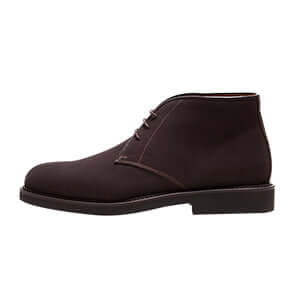 Desert boots
 Oxfords
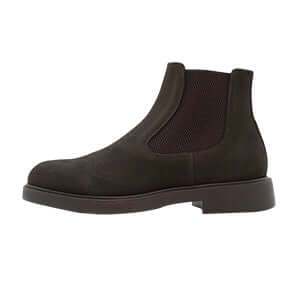 Ankle boots
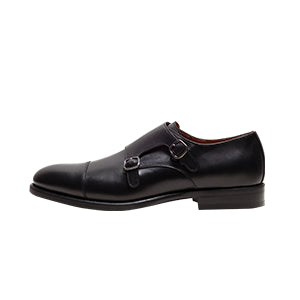 Double Buckle
 End of series
 Novità
 Loafers
 Derby
Derby Oxfords
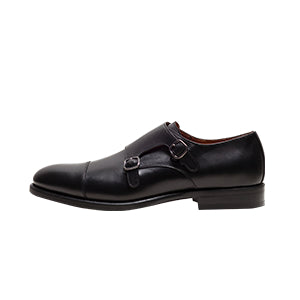 Double Buckle
 Ankle boots
 End of series
 Belts
Belts Shoe care
 Insoles
 Men's socks
 Laces and strings
 Gadgets
History of the Derby: the most versatile English shoe
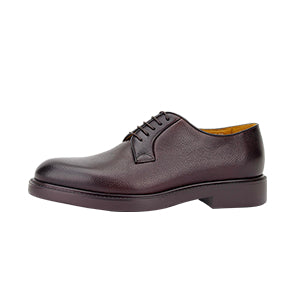
The Derby is often described as the less formal sister of the Oxford. It's true, but it's not enough. The Derby is not a "minor" Oxford: it is a shoe with its own logic, more open, more adaptable and more concrete.
What is the difference between Derby and Oxford?
The Derby has open lacing: the cuffs with eyelets are sewn onto the upper. The Oxford, on the other hand, has closed lacing. This makes the Derby generally more adaptable, less rigid and more versatile.
Essential Derby timeline
- English origin: was born as a more practical and adaptable shoe.
- Legend of the Count: a tradition connects her to the Earl of Derby.
- Open lacing: becomes its distinctive technical trait.
- Twentieth century: consolidates itself as a less rigid classic shoe than the Oxford.
- Today: comes in smooth leather, suede, leather or rubber sole.
The Derby is not the lesser alternative
If the Oxford is rigor, the Derby is the balance between elegance and real use. Its main feature is the so-called open lacing. This detail changes a lot: the shoe opens up more, fits different insteps better and immediately communicates a less severe tone.
English origins and legend of the earl
The precise origin of the Derby is surrounded by stories that mix fact and legend. One of the most widespread versions connects it to the Earl of Derby, but the important point is another: it was born as a response to a need for greater comfort and practicality compared to more closed shapes.
Because it works so well
The Derby broadens the field of use of the classic shoe. It can live well with suits, wool trousers, dark denim, chinos, soft jackets and knitwear. It is one of the few classic shoes capable of bringing office, weekend and everyday life together.
Because it still matters
The Derby continues to work because it is serious but not stiff, elegant but not intimidating. Materials, sole and construction change, but it remains one of the most reliable forms of classic footwear.