 Derby
Derby Sneakers
 End of series
 Gift Vouchers
 Belts
Belts Shoe care
 Laces and strings
 Gadgets
 Shoes
Shoes Bags
Bags
The Stages of Handcrafted Shoemaking: how a shoe takes shape
A handcrafted shoe is born long before the cut, long before the needle, the machinery, or the finishing touches. It begins with an idea, a gesture that expresses a style and a sensitivity that only experience can provide.
Every stage of the process determines comfort, aesthetics, and durability , and it is precisely here that the quality of Made in Italy reveals its value. In the Maestri Ciccone workshop, this process is part of our identity: each model is crafted with the same attention to detail that is reserved for an object that must last, be comfortable, and accompany the life of those who choose it.
Our work follows precise phases, each with its own rhythm, and in this article we will retrace them all, sharing the approach and philosophy that guide our laboratory.
The basics of everything: shoe design and planning
Shoe design is the initial step in defining the style, fit, and functionality of the shoe. Each model is born from a balance between aesthetics and the needs of the foot, and this initial phase lays the foundation for the final quality.
From concept to form
The process begins with the study of proportions and shape .
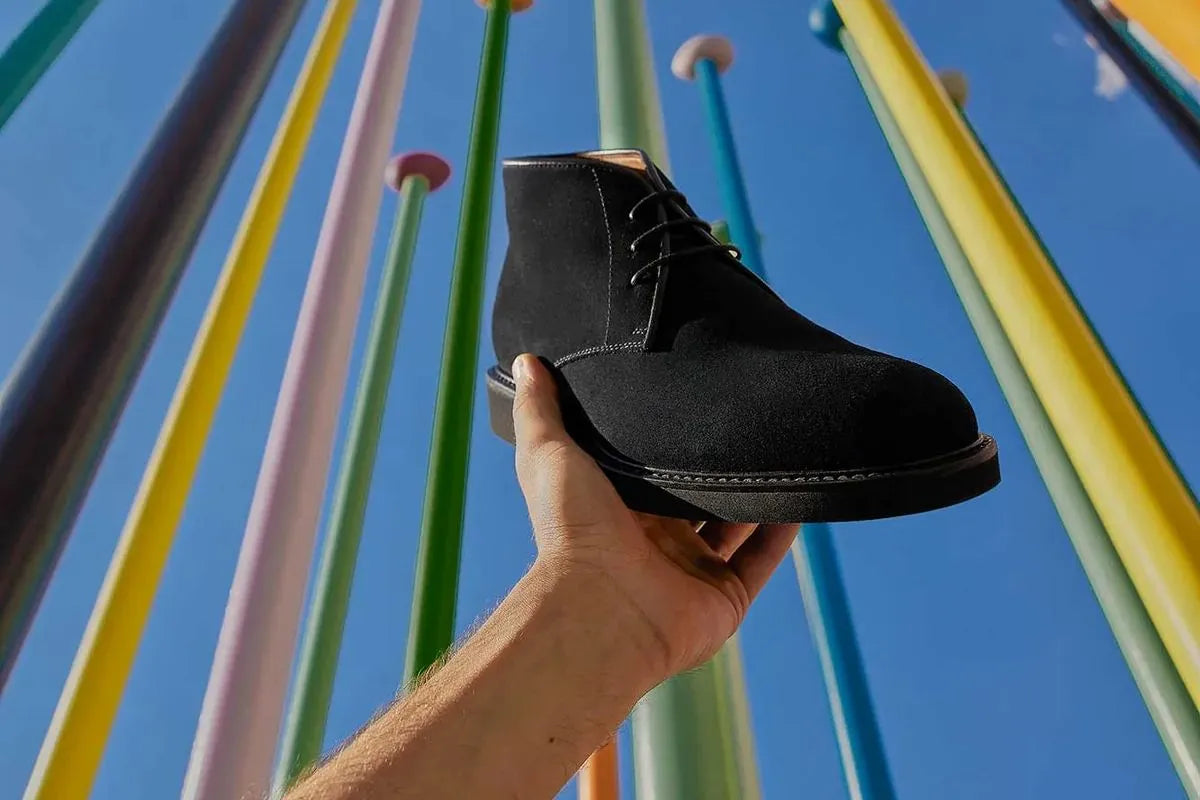
The last, the "false foot," determines the future fit and is one of the most important elements. Different styles require different lasts: an Oxford requires an elegant and stable line; an ankle boot requires a more generous forefoot.
In the Ciccone laboratory, the choice of shape comes from experience: years of testing, adjustments, and listening to customers have allowed us to identify proportions that offer support, comfort, and a balanced aesthetic.
The selection of materials
The quality of a handcrafted shoe undoubtedly stems from the choice of material. The leathers we use in our workshop come from specialized tanneries and are derived from food industry waste. This way, a natural material, rather than being disposed of, finds new life in a shoe designed to last. For us, this choice is not only technically significant, but also responsible: it's a concrete way to reduce waste and promote a sustainable production cycle.
For each model we evaluate three fundamental elements:
- softness and elasticity , to adapt to the foot;
- thickness and grain , to ensure support;
- resistance and breathability , for constant daily comfort.
Changing the material also changes the soul of the shoe: full-grain calfskin offers structure and elegance, suede adds softness and lightness, and calfskin linings keep the foot cool in summer and protected in winter.
The same care is applied to the choice of soles: leather, rubber tread, Extralight, or specific soles for sandals, always selected based on their function.
From material to upper: cutting and preparation of the shoe
Here the shoe begins to take shape. The leather is transformed into pieces that, when assembled, will become the upper.
Leather cutting
Before cutting, the leather is analyzed with a special light to identify grain, natural wrinkles, and micro-irregularities. This process allows the most valuable parts to be assigned to the visible areas of the shoe and the more fibrous ones to the inner areas.
Cutting is done using precision machinery or manual shears , depending on the model. The vacuum table keeps the leather taut and allows for clean cuts, reducing waste and optimizing the quality of the parts destined for the upper.

Hemming and preparation of components
In this phase we assemble all the pieces to shape the upper.
Hemming requires an expert hand and great precision, as it defines part of the final aesthetic. The regularity of the seams, the thread tension, and the symmetry of all the parts determine the cleanliness of the design.
The heart of the craft: shoe assembly and construction
Lasting defines fit, structure, and comfort. It's the moment the upper transforms into a shoe.
Drawing and assembly on the form
The upper is stretched by hand to the last chosen during the design phase. The tension must be even to ensure balance and harmony in the lines. Handcrafted assembly ensures a natural adaptation to the last and a stable fit, because every movement is calibrated based on the material and model.
Sewing techniques
The construction of the shoe influences comfort, stability and durability, and it is a choice that our laboratory addresses carefully from the very beginning of the project.
The Blake stitch is one of our most used techniques.
It directly connects the sole to the upper, creating a flexible and lightweight structure: ideal for everyday shoes, with a natural and comfortable fit.
Goodyear stitching, on the other hand, creates a more structured shoe. A welt connects the upper and sole, creating a stable and durable base, perfect for those seeking durability and a high level of repairability over time.
Each technique was created to meet a different need: comfort, structure, or lightness.
In our workshop, we select the most suitable solution for the materials, model, and intended use of the shoe, ensuring balance, comfort, and quality from the very first step.

Application of the sole
The sole is applied by gluing and pressing, then sewn when the model requires it.
Leather, rubber tread, Extralight or specific soles are selected based on: stability, lightness, flexibility and seasonal use.
Each sole completely changes the identity and behavior of the shoe.
The final step: finishing and quality control
During the finishing stage, each model receives the time and attention necessary to achieve its final form. Every surface is cleaned, every edge finished, every seam inspected with the same care that a craftsman would take before his finest work.
For smooth leather shoes we apply our nourishing creams , for suede we give the fur a final brushing and spray our professional waterproofer.
The leather of the straps is smoothed, checked stitch by stitch, and the leather sole is crafted to provide balance and comfort. The final nails are adjusted by hand to allow for any adjustments to the fit. This step requires a trained eye and tactile sensitivity, as the shoe must fit the foot naturally from the very first wear.
Each model undergoes the same quality control process: checking the fit, observing the proportions, and ensuring that the materials and finishes express the level of quality we consider essential in our laboratory.

Artisanal and industrial shoes: two different worlds
The difference between artisanal and industrial shoes comes from choices.
A handcrafted shoe uses select materials, meticulous assembly techniques, and constant checks. Performance over time is superior: the shoe retains its shape, comfort increases with use, and the structure remains solid. Repairability is another strong point: each component is designed to last and be renewed.
Industrial footwear follows different production logics, designed for large volumes and short lead times.
How to choose a quality handcrafted shoe
When trying on a handcrafted shoe it is useful to observe:
- regularity of the seams
- leather cutting
- quality of the linings
- flexibility and arch support
- immediate comfort from the first time you put it on
A good handcrafted shoe can be recognized by its feeling of balance and stability: it supports without constricting and adapts naturally to the foot.
Care and maintenance over time
Proper maintenance enhances the materials and prolongs the life of the shoe.
We always recommend regular cleaning , products suitable for the material, and careful drying to maintain comfort, elasticity, and color. In our online shop, you'll find all the ideal products to care for your leather and/or suede shoes. If you'd like to restore your favorite shoes, don't despair! In our workshop, we also offer a shoe repair service that allows you to give your shoes a new lease of life.
The beauty that comes from the craft
Each handcrafted shoe tells the story of a journey made of select materials, precise craftsmanship, and respect for tradition. Those who choose handcrafted footwear choose a reliable travel companion, designed to accompany every step.
If you'd like to find a model that reflects your personality, you can find shoes made with the same techniques described in this article in our shop.
You can also contact us for a personalized consultation: we'll help you choose the best option for your style and needs.