 New arrivals
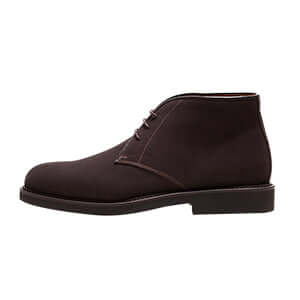 Desert boots
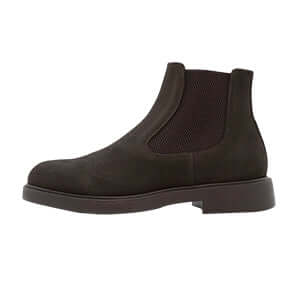 Ankle boots
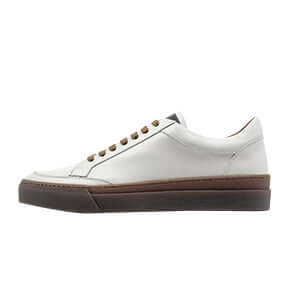 Sneakers
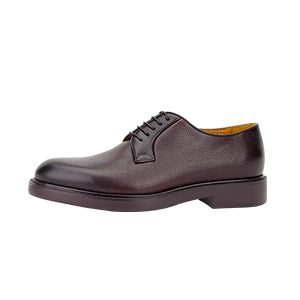 Derby
 Loafers
 Oxfords
 Double monk straps
 Last pairs
 New arrivals
 Ankle boots
 Loafers
 Derby
 Oxfords
 Double monk straps
 Last pairs
 Belts
 Shoe care
 Insoles
 Men's socks
 Shoelaces
 Gadgets

History of the penny loafer: origins and meaning
A slit on the band and a coin: the penny loafer made a tiny gesture enter the history of clothing. It wasn't necessary for the shoe. It became necessary to his story.
Behind the image of an American campus, however, there is a European journey. To follow it, it is best to separate the birth of a commercial model from the habits that gave it its nickname.
1936: Norway enters the American wardrobe
G.H.BASS places the Weejuns' debut in 1936 and declares their inspiration in the laceless shoes of Norwegian farmers and fishermen. It is a verifiable milestone in the history of the brand. It doesn't mean that no one had built before Loafers or slip-on footwear.
G.H.BASS tells the story of the Weejuns and the penny loafer.
The idea goes from a practical shoe to a clean line that lends itself to the city. The band becomes the most recognizable sign: just seeing it is enough to understand the family of the model, even when the leather, toe and bottom change.

The penny: a habit, not a patent
The nickname comes from the custom of inserting a coin into the slot. The story of the phone call paid for with pennies is fascinating, but it should not be transformed into a universal explanation: usage and rates changed. The secure link is between the coin, the band and the name.
The campus gives him a uniform
In the Ivy and preppy wardrobe, the loafer finds precise companions: chinos, Oxford shirts, blazers and knitwear. It is less ceremonious than a lace-up, but does not have the sporty character of a sneaker. This intermediate position allows him to move from university to office without changing his identity.
Today the combination with dark denim remains simple and convincing. With wool trousers, the length of the hem and the volume of the toe matter; a more substantial base immediately changes the proportions. The absence of laces does not oblige you to just one style.

Pennies, tassels and drivers: looking the right part
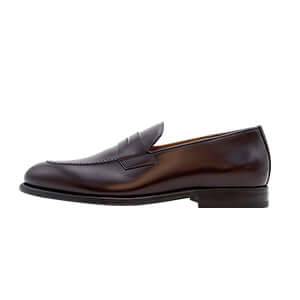
The band with slit identifies the penny, the tassels the tassel loafer. Driver instead describes a family linked to driving and a flexible fund. Not all Loafers without laces they are pennies and not all similar shoes have the same construction. The Trieste Ciccone allows you to read the band well; a suede model highlights how the surface can change the tone of a shoe.
Without laces, the shape takes all the responsibility
The foot must be accompanied by the instep and heel without compressing the toes. Walk in both shoes and socks that you will actually use. The leather softens, but doesn't stretch the pair a size. A heel that continually comes out doesn't fix itself by waiting.

A shoe tree of the correct size supports the upper between uses. Alternating pairs helps disperse moisture. And before you buy, ask what repairs that bottom allows: the success of a classic shape matters more when the pair can keep walking.
The desktop image is an illustrative composition adapted with artificial intelligence from a catalog photo.