 Novità
 Loafers
 Derby
Derby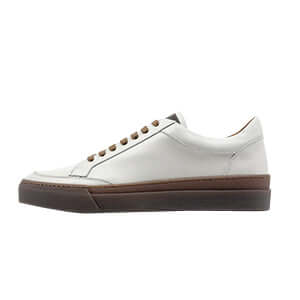 Sneakers
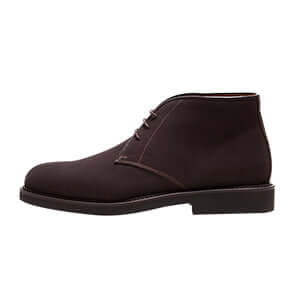 Desert boots
 Oxfords
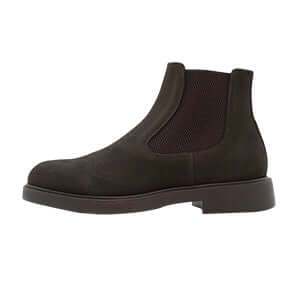 Ankle boots
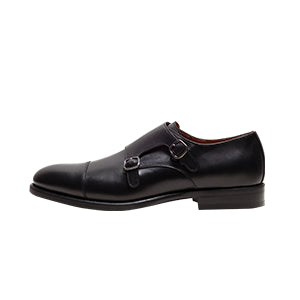 Double Buckle
 End of series
 Novità
 Loafers
 Derby
Derby Oxfords
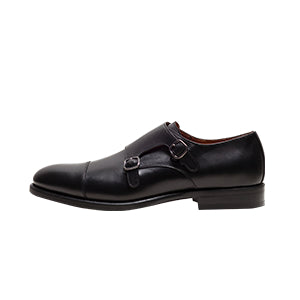 Double Buckle
 Ankle boots
 End of series
 Belts
Belts Shoe care
 Insoles
 Men's socks
 Laces and strings
 Gadgets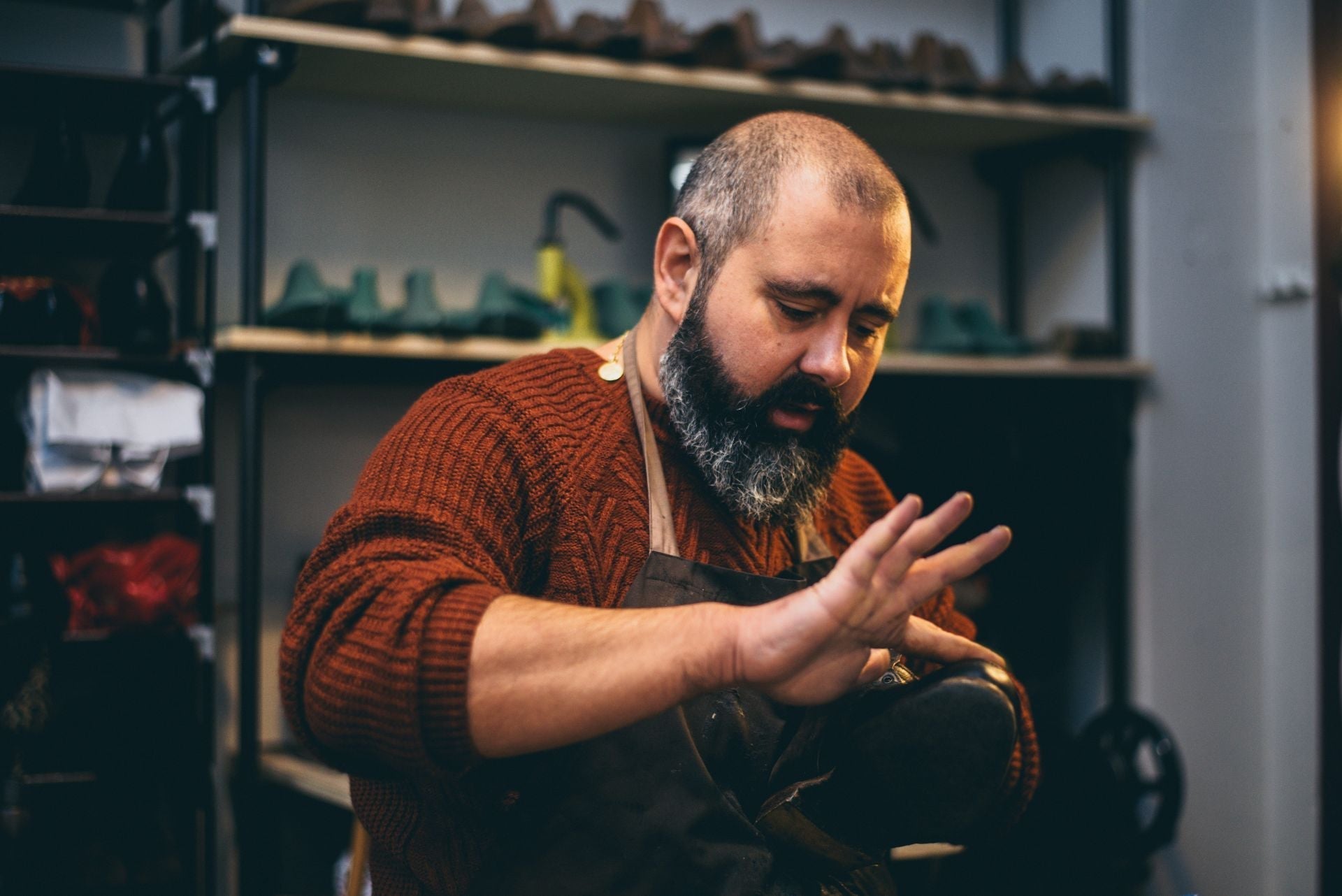
Artisanal or industrial shoes? Discover the real differences and real benefits
When it comes to footwear, the choice is almost always divided between two worlds: artisanal shoes, a symbol of tradition, quality and uniqueness, and industrial shoes, the result of rapid and standardized production processes.
But what really changes between these two universes? What are the differences in materials, workmanship and durability?
In this article we analyze every aspect in detail, to clarify why handcrafted shoes are not just a purchase, but an investment over time.
Artisanal and industrial shoe materials: quality compared
Each shoe tells a story already from the material with which it is made.
The difference between artisanal and industrial footwear it is felt from the first contact: the scent of natural leather, the softness to the touch, the shine of the manual finish cannot be compared to the uniform and often artificial appearance of synthetic materials used in mass production.
Materials determine the durability, comfort and even healthiness of the product: they are much more than a simple aesthetic detail.
For this reason the choice of raw material it is a fundamental step, capable of distinguishing a shoe destined to last for years from a shoe that after a few months shows the signs of time.
Industrial shoes: synthetics and standard materials
Industrial shoes were created with a clear objective: to produce large quantities in a short time and at low costs.
This translates into the use of synthetic materials or lower quality leather, often chemically treated to uniform their appearance.
If on the one hand the final price is affordable, on the other the yield over time is limited: an industrial shoe tends to deform quickly, lose color and not guarantee the same natural breathability as more valuable leathers. The comfort itself, although apparent in the first uses, is reduced in the medium term.
Handcrafted shoes: fine leathers and natural workmanship
Le handcrafted shoes, on the contrary, they arise from selection careful selection of fine leathers, often vegetable tanned with natural techniques. Each piece of leather is chosen for elasticity, resistance and aesthetic performance. This means that each shoe is unique and healthier for the foot: breathable, soft and capable of progressively adapting to the individual shape. Furthermore, the natural ability of artisanal and high quality leathers such as calfskin, to let the foot breathe avoids sweating and bad odors, making these shoes comfortable both worn barefoot and with socks.
The handcrafted materials are designed to last for years and, if necessary, be repaired or regenerated: they do not follow a disposable philosophy, and it is precisely this vision that makes a handcrafted shoe an asset destined to improve with time.
Production Techniques: Handmade Shoes vs Factory Shoes
If the materials represent the body of the shoe, production techniques they constitute its soul: accurate processes that influence the precision of the stitching, the stability of the shape and the ability of the shoe to adapt to the foot over time.
It is precisely in the way in which a shoe is made that the clearest difference between an artisanal shoe and an industrial one can be perceived.
Industrial shoe production
Industrial shoes come made on assembly lines where every step is automated. The sole is often glued rather than sewn, reducing time and cost, but compromising overall strength.
I models are standardized, designed to adapt "on average" to a generic foot, without considering morphological differences. This approach produces functional footwear in the short term, but with limited duration and fewer chances of repair.
Artisan shoe manufacturing
Handcrafted shoes are the result of techniques passed down for generations. Blake or Goodyear stitching, made by hand, requires more time, but guarantees solidity, flexibility and possibility of resoling.
Each phase is followed by master shoemaker: from cutting the leather to stitching, up to the final polishing. Attention to detail is an intrinsic value, not an optional extra: each shoe carries with it the invisible signature of the person who made it, combining tradition, experience and passion.

Comfort and fit: difference between artisanal and industrial shoes
One of the most frequently asked questions is: Are handmade shoes really more comfortable?
The answer lies in the design, which affects the fit.
Le industrial shoes, mass-produced, follow rigid and standardized shapes. They may fit well for some, but rarely guarantee a perfect fit. Over time, the stiffness of the materials tends to cause pain, blisters or deformations of the foot.
Le handcrafted shoes, on the other hand, are designed to accompany the foot, not to constrain it. Thanks to ergonomic shapes and natural materials, they gradually adapt to the person wearing them. It is this silent customization that explains the difference: a second skin capable of improving posture, reducing fatigue and transforming every step into a natural gesture.
Comfort is perhaps the most immediate aspect that a customer perceives when wearing a shoe.
A shoe must accompany the step, correctly support the posture and adapt to the unique morphology of the wearer, not just fit well on the foot.
Handcrafted shoes and sustainability: environmental impact compared
Sustainability today is a crucial issue, and here too the difference is clear. Today more than ever, choosing a shoe also means make an ethical choice.
The industrial production involves high consumption of water and energy, with the massive use of glues and synthetic materials. Furthermore, the logic of fast fashion often leads to huge waste: shoes produced in excess that end up unsold and disposed of, in the best case scenario, not to mention all the overproduction that is abandoned in the environment, polluting rivers and oceans.
On the contrary, the artisan world is based on an opposite approach: limited quantities, use of natural, often local, leather, environmentally friendly manufacturing and a philosophy of “repair” instead of “throw away”.
An important aspect, often little known, concerns itself the origin of the leather used. The leather used by our master craftsmen almost always comes from waste from industrial production.
In this way a resource, which would otherwise be wasted and would cause an even greater environmental impact, is recovered and transformed into a noble, durable and precious material. In other words, it is not a "new environmental sacrifice", but a virtuous example of circular economy.
Added to this is a key fact: To date there is no alternative material capable of equaling the quality, resistance and breathability of animal leather.
Le synthetic or vegan alternatives, although interesting on an experimental level, often derive from plastics and petrochemicals, have a much shorter duration and can hardly be repaired. As a result, they end up fueling the disposable logic that craftsmanship has always opposed.
Duration and cost: handcrafted shoes as an investment over time
The price it is often the first criterion with which a shoe is chosen, but rarely is it reflected on the value it brings over time.
One industrial shoe it may cost less immediately, but its useful life is short: after a few months of intense use it tends to get ruined, gives way at the seams, wears out at the soles and loses its shape, making replacement necessary. In other words, a saving that is only apparent.
Le handcrafted shoes they instead have a higher initial cost, but this should be considered an investment, because they guarantee longevity and repairability. Thanks to the quality materials, the resistant stitching and the possibility of being arranged, in fact, they can last for years, even decades.
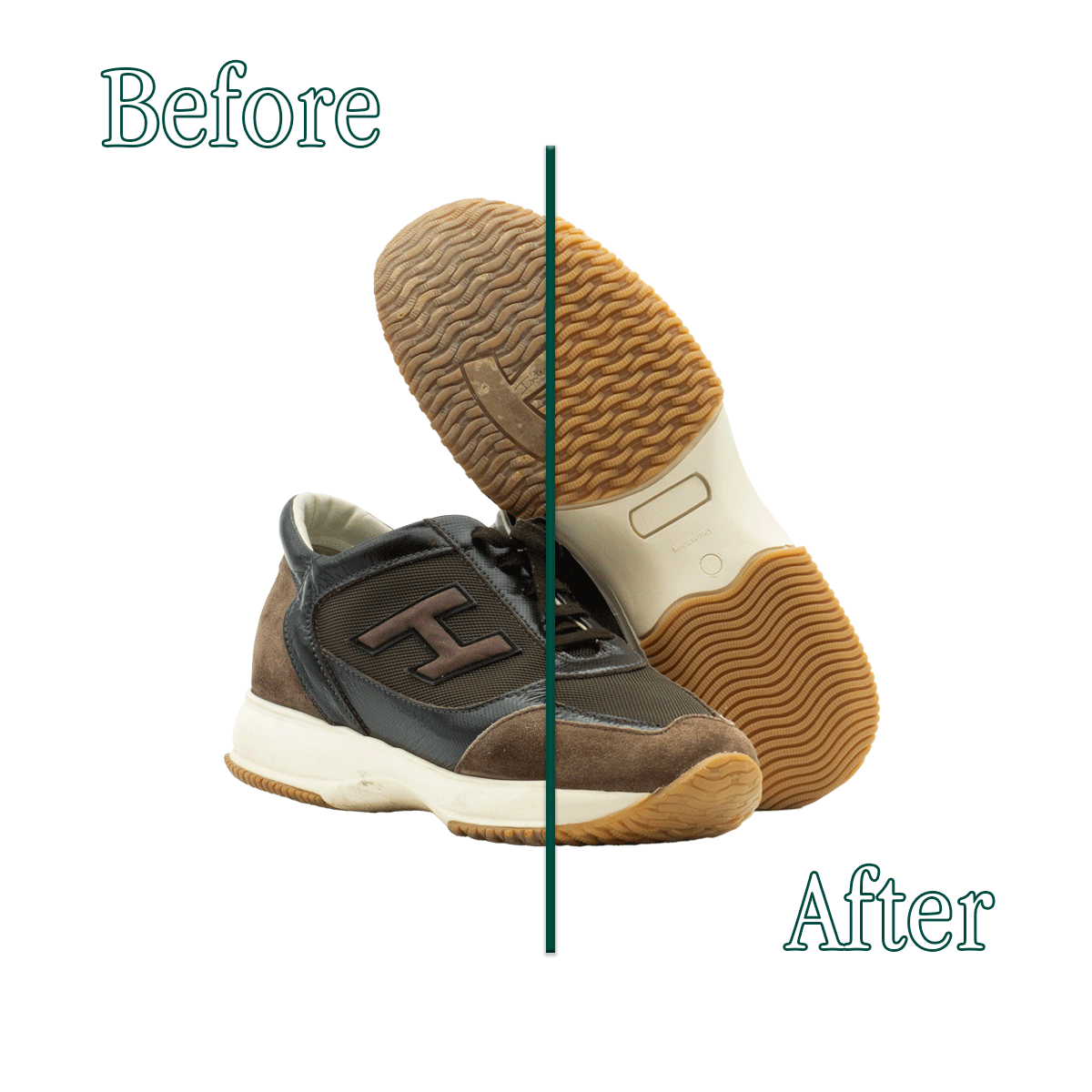
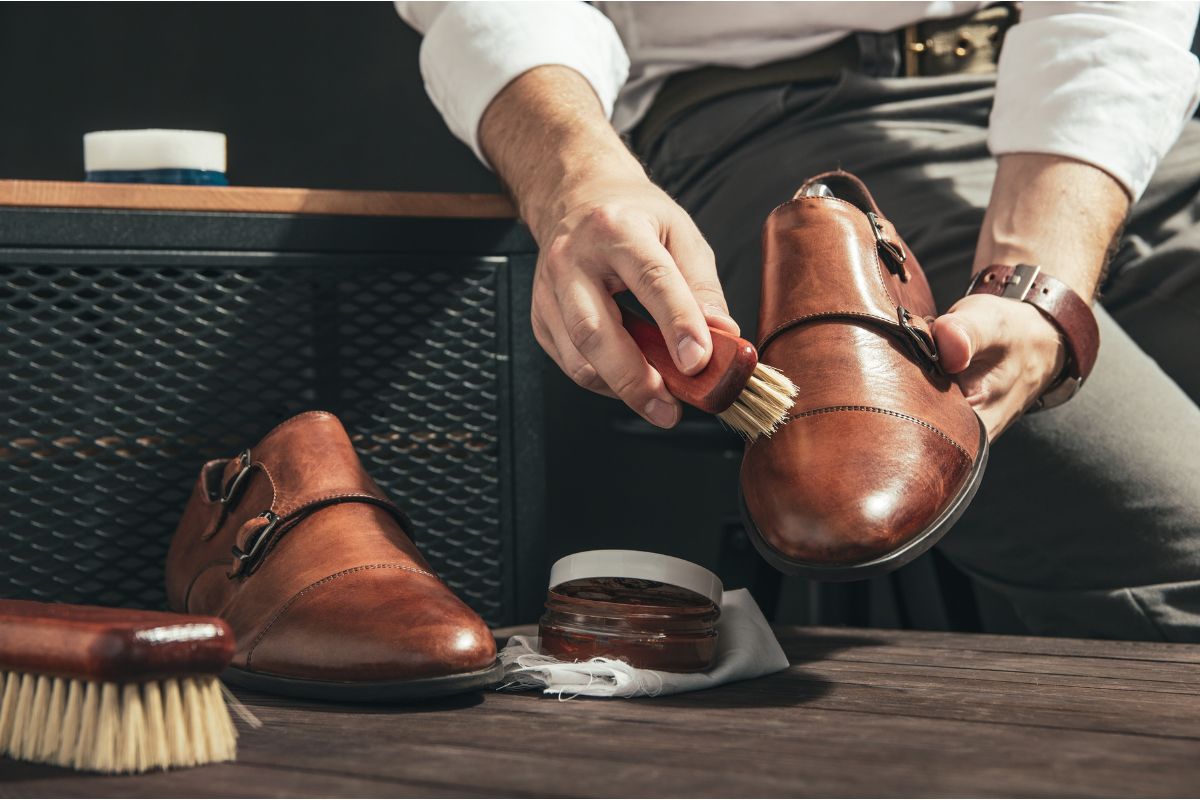
A handcrafted shoe is a travel companion that is periodically maintained with products for shoe care, can be resoled, restored and brought back to life, far from the logic of disposable purchases.
In this sense, the initial cost becomes a real investment, which pays off over the years not only in economic terms, but also in well-being, aesthetics and emotional value.
Wearing shoes that tell a story, that improve over time and that bear the Made in Italy signature is an experience that no industrial production will be able to replicate.
Handcrafted shoes, timeless style
Behind every artisan shoe there is competence, precision and knowledge refined over time. Choosing artisanal means focusing on real quality and attention to detail. Discover our collections and find footwear designed to stand out and last.