We choose animal skin first of all because it gives value to a material that the food supply chain leaves behind. The leathers we use come from that supply chain: a by-product which, without recovery, would risk becoming waste to be disposed of. Tanning transforms it into a resistant, versatile material capable of accompanying us for years. For us, sustainability also begins here: making good use of what already exists.
Then there are the qualities you feel in your feet. Good leather combines breathability, ability to absorb moisture, flexibility and resistance to tears and continuous folds along the way.
This is why the word "vegan", alone, is not enough for us to talk about ecology. Many alternatives to leather contain polyurethane or PVC, i.e. plastic materials; even some materials of plant origin contain synthetic coatings and components. A green name doesn't tell you how long a shoe will last, or what you can do when it gets ruined.
Quality leather, on the other hand, offers concrete possibilities for maintenance and repair: it can be cleaned, nourished, revived in color and, where damage allows, stitched or reinforced. If the shoe is built to be resoled, we can change the sole and keep the upper. A flaking synthetic coating is often much more difficult to recover in a lasting way.


 New arrivals
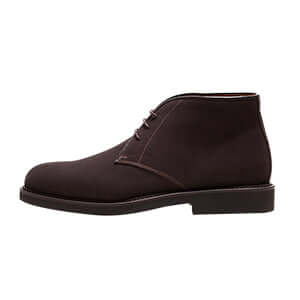 Desert boots
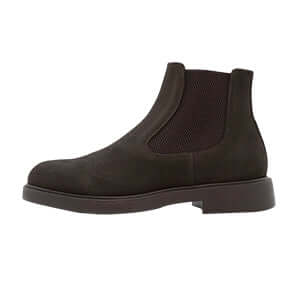 Ankle boots
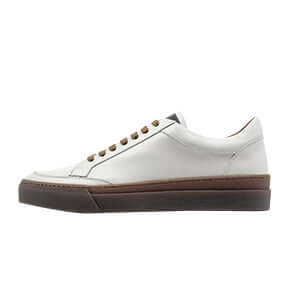 Sneakers
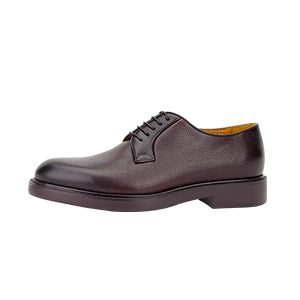 Derby
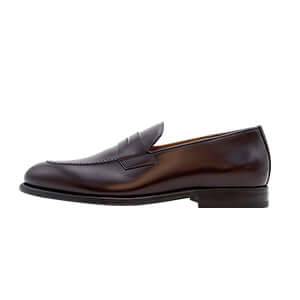 Loafers
 Oxfords
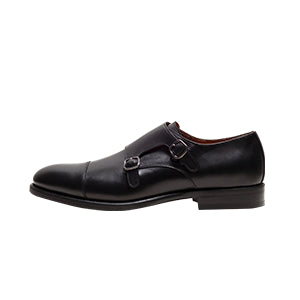 Double monk straps
 Last pairs
 New arrivals
 Ankle boots
 Loafers
 Derby
 Oxfords
 Double monk straps
 Last pairs
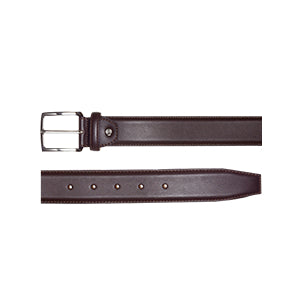 Belts
 Shoe care
 Insoles
 Men's socks
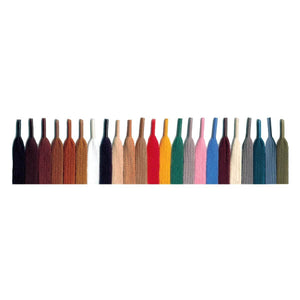 Shoelaces
 Gadgets