 Novelty
 Loafers
 Derby
Derby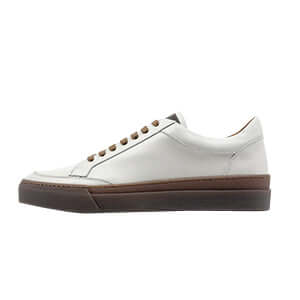 Sneakers
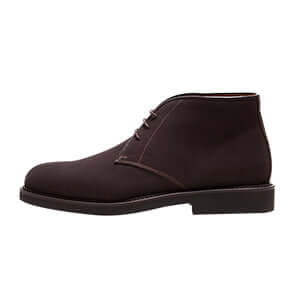 Desert boots
 Oxfords
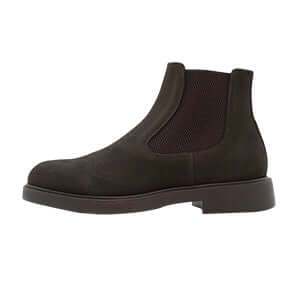 Ankle boots
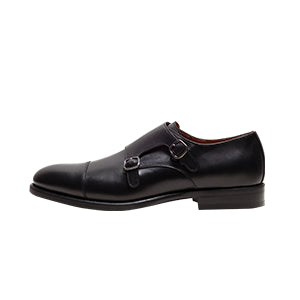 Double Buckle
 End of series
 Novelty
 Loafers
 Derby
Derby Oxfords
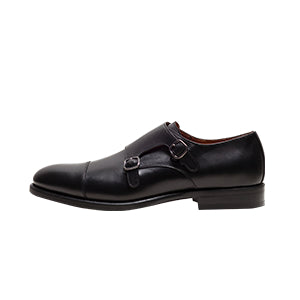 Double Buckle
 Ankle boots
 End of series
 Belts
Belts Shoe care
 Insoles
 Men's socks
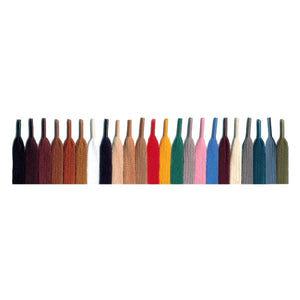 Laces and strings
 Gadgets
Shoes in suede in summer: why they work and how not to ruin them
A Loafer in suede with linen trousers it looks perfectly summery. Then comes the question: «But the suede Doesn't it keep you warm?". The surface suggests a season; the construction of the shoe can tell another story.
To choose well, we look at thickness, lining and internal volume. To keep it well, let's change enemies: in summer, dust, sweat and humidity are what count above all. There is no need to give up the material, you need a suitable routine.

suede, suede and nubuck: they are not the same thing
In everyday language the terms often overlap. Technically, however, it is useful to distinguish them. Suede has a velvety surface obtained by working the internal side of the leather or a part of it; the nubuck is instead sanded on the grain side. The visual result may seem similar, but hand, resistance and cleaning behavior may change.
This distinction also explains why two apparently identical pairs react differently to a brush or a drop of water. Before using detergents or revivers, it is always advisable to understand what material we are dealing with.
But the suede is it hot?
There is no single answer. The thermal comfort of a shoe depends on the entire system. A thin, unlined upper, correct internal volume and lightweight construction can be pleasant even in high temperatures. In contrast, a padded sneaker with synthetic linings can retain much more heat while still having a seemingly summery surface.
For this reason the idea "suede same winter” is too simple. In summer they work particularly well Loafers unlined, driving shoes, some light sneakers and suede boat shoes. Less sensible, of course, are models that are heavily lined or built for the cold.
The real summer enemy isn't the heat: it's the humidity
Sweat, sudden rain, wet sand and long days without rest put any shoe to the test. Sul suede the effect is more evident because the hair changes orientation and color when it absorbs humidity.
The first rule is simple: Don't wear the same pair every day. After a hot day, the shoe should be given time to dry naturally. Twenty-four hours of rest is often more beneficial than any miracle product.
The second rule is even more important: no hairdryers, radiators or direct heat sources. Brutally accelerating drying can stiffen the leather, alter adhesives and deform the shoe. Better to remove any removable insoles, insert unprinted absorbent paper or a suitable shoe tree and leave to air dry.
Can they be worn without socks?
Yes, but we need to distinguish between aesthetics and shoe management. The ankle-baring look works great with Loafers and boat shoes; this does not necessarily mean barefoot. A very low and breathable padding reduces direct contact with the lining and absorbs part of the humidity.
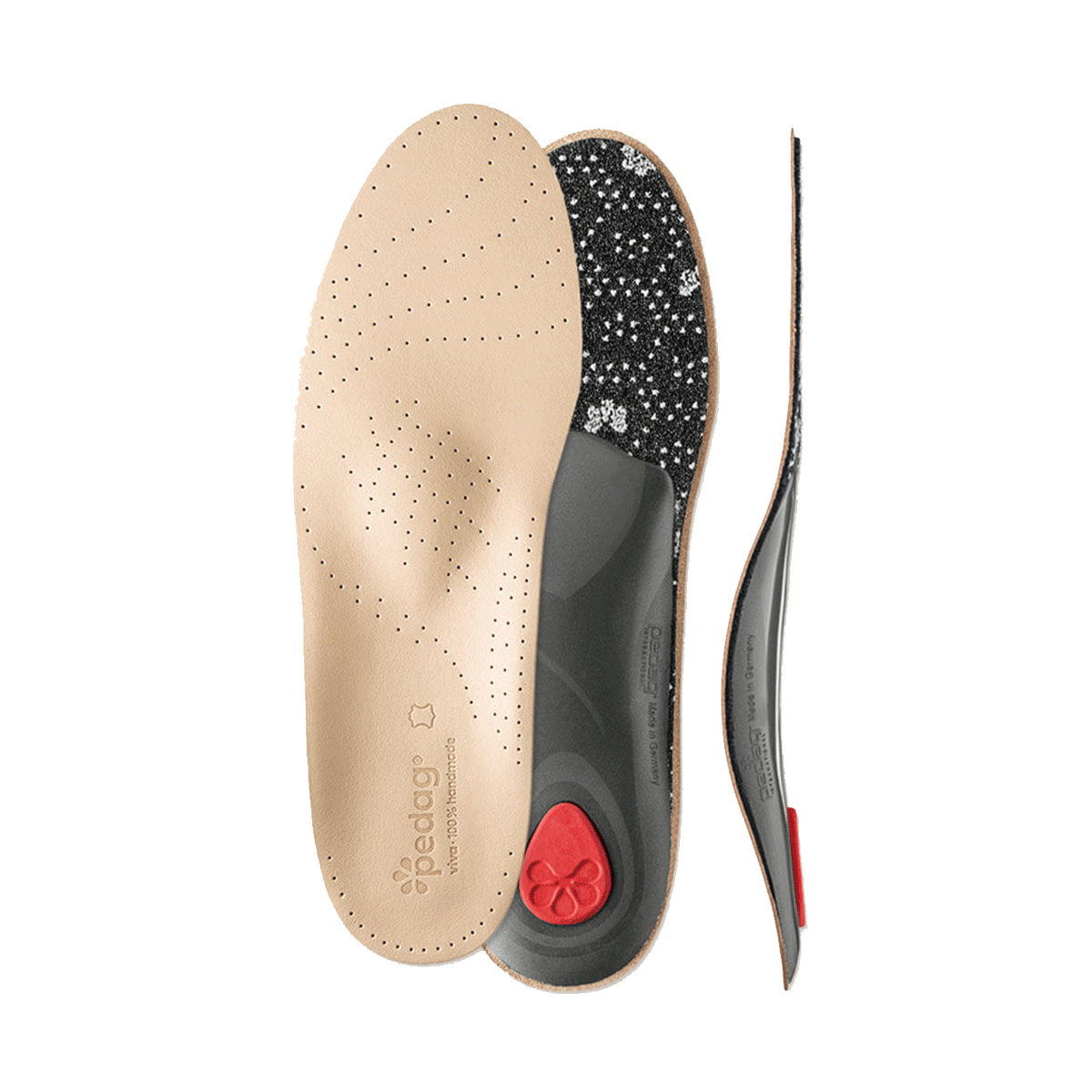
If you really prefer to wear the shoe without socks, it becomes even more important to alternate pairs and let the inside dry well. A removable insole can also help, as long as it doesn't hinder fit too narrow.
How to clean the suede without flattening it
The most important gesture is also the least spectacular: brush. Dust and fine particles get stuck between the fibers and, with the movement of the foot, can polish some areas. A specific brush used delicately helps to lift the fur and remove surface dirt.
Better to intervene little and often rather than wait months and then attack the shoe with a lot of product. Localized stains require caution: specific erasers and suede cleaners can be useful, but they should be tried first in an inconspicuous area because some colors can run.

Water on suede: Is it really a tragedy?
No. The suede it doesn't self-destruct at the first storm. The problem arises when the water brings with it dirt, creates streaks or is dried poorly. If the shoe gets wet, it is best to dab it dry without rubbing, let it dry slowly and only then work the fur with a brush.
A specific water-repellent protectant can reduce absorption and make maintenance easier, but does not transform a Loafer in a rain boot. Absolute waterproofing is not the goal: the goal is to give time to react to splashes and light rain.
Salt, sand and sea: be careful on holidays
The sea adds two elements that are not very friendly to the skin: salt and sand. Sand is abrasive; salt can leave residues and stains. After a day at the seaside, it is best to brush the shoe once it is dry and not leave it for weeks with residue on the surface.
This also applies to boat shoes. The name suggests an aquatic life, but it's one thing for footwear designed for the nautical environment, but it's another to repeatedly submerge a leather shoe in salt water and expect it to stay the same.
Because the suede clear seems to get dirty more quickly
Beige, sand, dove gray and ice are beautiful in summer because they visually lighten the shoe. However, they immediately show dust, color transfers and splashes. The advantage is that they require regular maintenance, which often extends the life of the shoe.
On dark colors, dirt may be less visible but not absent. Even a blue or dark brown suede benefits from frequent brushing.
Is the shoe tree also useful in summer?
Yes, especially on leather shoes. A properly sized shoe tree helps maintain shape and smooth out light creases. Those made of unpainted wood can also help manage internal humidity. The key word, however, is "correct": a shoe tree that is too large forces the upper instead of helping it.
When the suede becomes shiny
With use, some areas may appear darker and smoother. It happens because the hair gets crushed, gets dirty or changes direction. Before thinking about dyeing or drastic interventions, it is worth trying gentle cleansing and correct brushing. In many cases the material recovers depth simply by raising the fibers.
However, if the color is actually faded or the surface has been damaged, the work becomes more specialized. It's one of the reasons why it's best to avoid aggressive home remedies on suede: a small stain is often easier to manage than an entire shoe altered by the wrong product.
Eight mistakes that ruin your shoes suede in summer
Wear them for many consecutive days; dry them with a hairdryer; rub a wet spot; use creams for smooth skin; spray untested products; leave them full of sand; store them while still damp; use an excessively large shoe tree. None of these errors seem dramatic in isolation. Repeated for a season, however, they completely change the appearance of the shoe.

And when home maintenance isn't enough?
A brush resolves dust, not a worn sole. A protectant helps against splashes, does not rebuild an edge. Knowing where routine maintenance ends is part of shoe care. When the problem concerns the structure, sole, deeply altered color or loose parts, a professional intervention may make sense especially on well-built shoes designed to last.
This is perhaps the most correct way to look at a summer shoe suede: not as a fragile object to be protected from everything, but as an object to be used well. Suede can go on holiday, cross a hot city and accompany us until September. Just grant him something that in the summer we often forget to grant ourselves: time to breathe.
The suede it does not indicate the animal
In footwear "suede” is often the trade name of a suede surface, not proof that the leather comes from the animal of the same name. Suede and nubuck are distinguished by the worked side: nubuck is brushed on the grain, suede has a fur surface on the flesh side or on a split. Asking for composition and processing is more useful than the generic name.
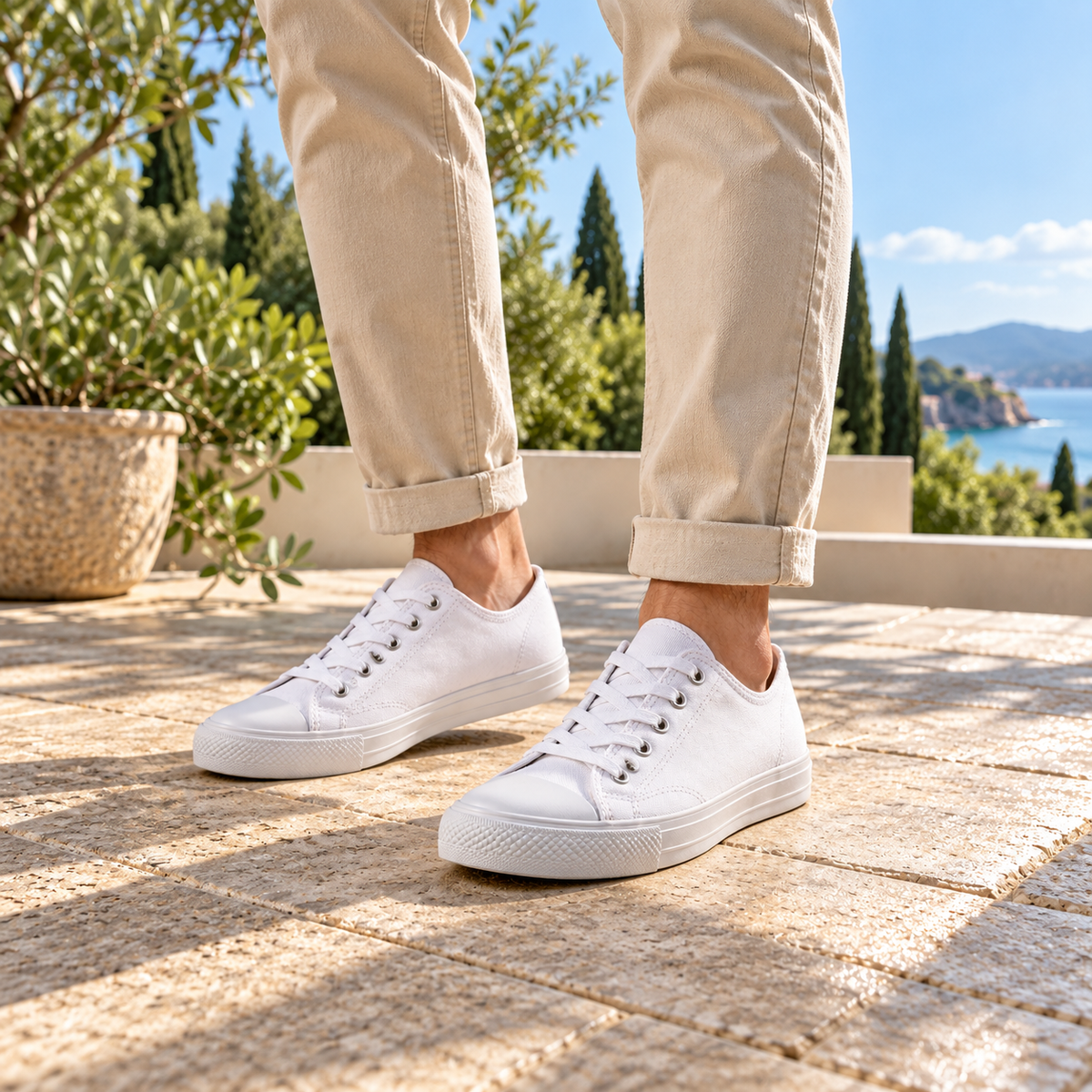
The desktop image is an illustrative composition adapted with artificial intelligence from a catalog photo.