 Novelty
 Loafers
 Derby
Derby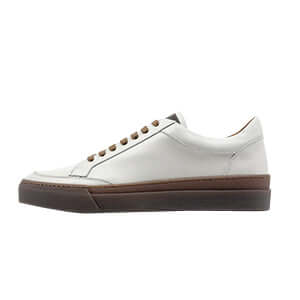 Sneakers
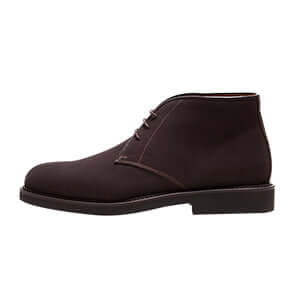 Desert boots
 Oxfords
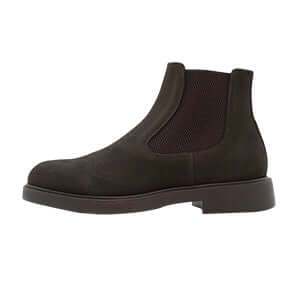 Ankle boots
 Double Buckle
 End of series
 Novelty
 Loafers
 Derby
Derby Oxfords
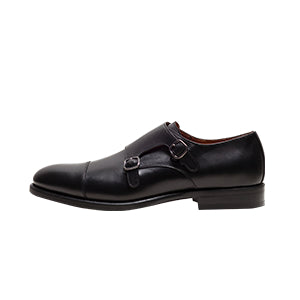 Double Buckle
 Ankle boots
 End of series
 Belts
Belts Shoe care
 Insoles
 Men's socks
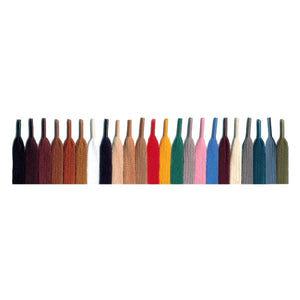 Laces and strings
 Gadgets
Men's ankle boots: Chelsea, lace-up or Desert boots? How to choose
To choose a men's boot, we start with a gesture: do you want to put it on quickly or adjust it with the laces? The answer separates two families. Then one Desert boot it puts everything back into play, with the ankle covered and a lighter line.
The photos of Bologna, Mantua, Cortina, Bergamo, Matera, Turin and Trento Ciccone allow us to compare the details without stopping at the labels. Elastics, eyelets and surfaces tell something; sole and test of fit they tell the rest.
Seven boots, three families
The choice starts from the real differences between the models: the Desert boot Bologna, the laced Mantua, Cortina, Bergamo and Matera, the Chelsea Turin and Trento. Mantua had excellent feedback last season; it's worth looking at it together with the Cortina before choosing a lace-up one.
Bologna: the Desert boot
A line at the ankle, few elements and suede calfskin. It is a reference for those looking for an informal and clean shoe. The extra light rubber sole distinguishes it from desert boots with cracks.

Mantova: lace-ups with a strong character
Mantua It is available in full-grain, suede and hammered calfskin. The reinforced eyelets and the treaded bottom define the line; the extra light rubber contains the weight. The calf lining and removable insole complete the interior. With denim, velvet or wool trousers it is an ankle boot to be used often, not to be saved for the right occasion.

Cortina: padded collar and green sole
Curtain brings one into the lace-up family full-grain leather particularly soft calfskin, padded and quilted collar and a green lug sole. The extra light rubber sole, the calf lining and the removable insole make it an alternative to try next to Mantova. The collar changes the contact at the ankle; green changes the character of the shoe.

Bergamo: the smooth leather lace-up
Vegetable tanned buffalo leather gives a different surface than suede. The laces allow you to adjust the closure. Jeans, velvet and wool are possible combinations; character arises above all from leather and proportions.

Matera: the hammered lace-up
The textured buffalo surface introduces a more noticeable texture. “Hammered” describes the appearance of the grain, it is not enough to certify water resistance or durability. Comparing it with Bergamo helps to distinguish finish and type.

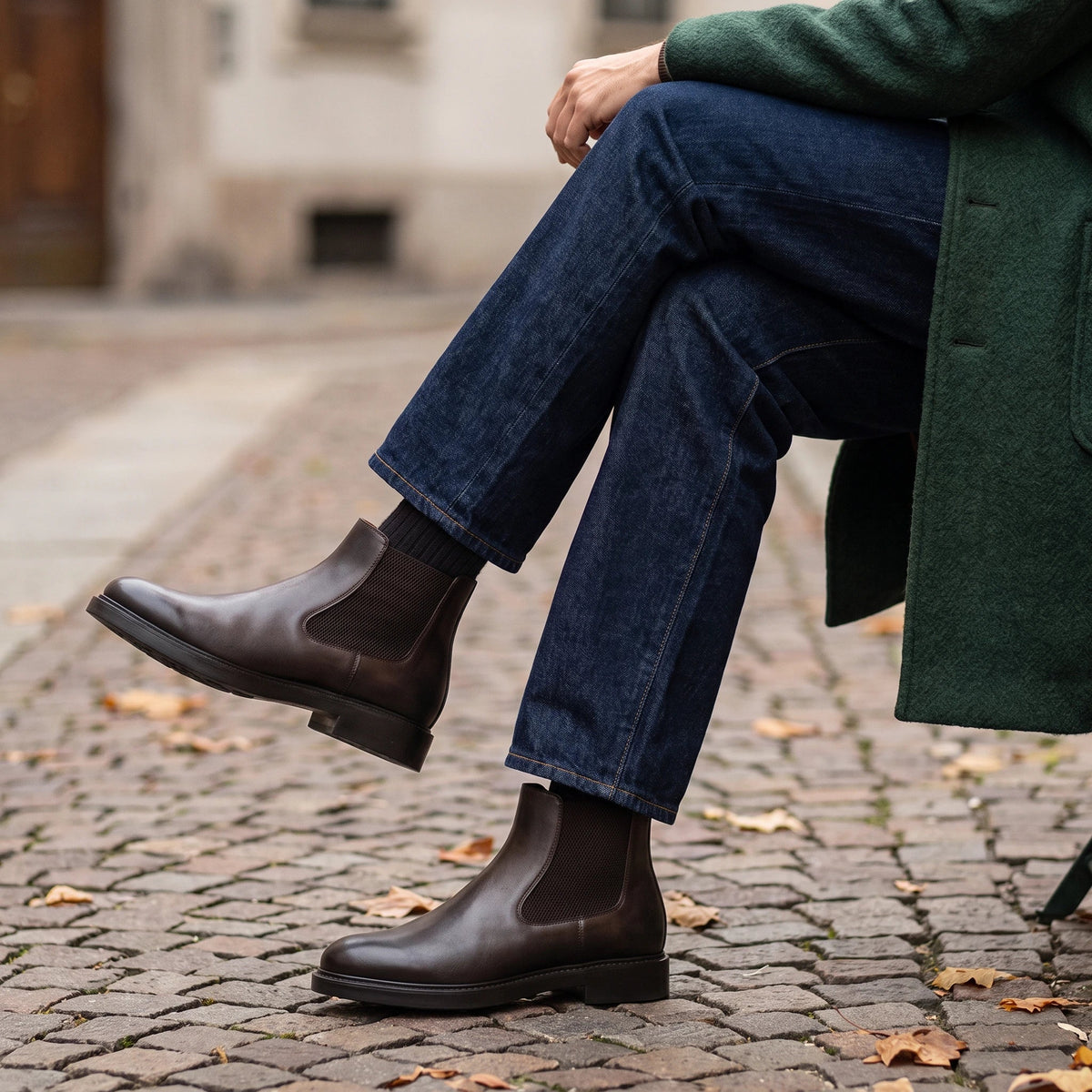
Turin: suede Chelsea
The elastics take the place of the lacing. The line is continuous and discrete; on the instep the proof of fit It matters especially because there are no laces to adjust.

Trento: Chelsea brushed
The brushed leather makes the surface brighter than Turin. It is a variation of the same family: the material changes the aesthetic effect more than the name Chelsea alone suggests.

Chelsea boot: why it has become a classic
The Chelsea is immediately recognizable by the side elastic inserts and the absence of laces. Its strength is the cleanliness of the line: under trousers it remains essential, but compared to a low shoe it protects the ankle more and copes better with the change of season.
Precisely because it does not have an adjustable closure, however, shape e fit they are fundamental. A Chelsea that is too loose on the instep tends to move; one that is too tight can become uncomfortable. The elastic must accompany the entry of the foot without being the only element holding it back.
The lace-up boot: more adjustability, more structure
The lace-up allows the upper to better adapt to the instep. It is a real advantage for those who have thin feet or want a more enveloping sensation. Depending on the shape and sole it can be elegant like a high derby or more robust and informal.
The presence of laces adds components to observe: eyelets, hooks, tongue and stitching must be well aligned. In models intended for frequent use, these are points subjected to continuous stress.

Smooth skin, suede or nubuck?
There is no absolute best material. The smooth skin it is practical because it can be cleaned, nourished and polished with relative ease. The suede it offers a softer and more material surface, but requires specific brushes and products. The nubuck It has a velvety appearance obtained by working the grain side and should not be treated like smooth leather.
For autumn the point is not to avoid the suede, but know how to handle it. A compatible protectant can slow the absorption of splashes and dirt, but does not transform the shoe into a waterproof boot.
The sole really changes the boot
One leather sole It can give a more elegant line and traditional feel. A rubber sole generally offers greater comfort on wet surfaces and may be preferable for those who walk a lot in the city. Then there are hybrid constructions and protections applicable to leather.
You shouldn't judge the quality by the sole material alone. Density, thickness, flexibility, quality of assembly and consistency with intended use matter.
How should a new boot fit?
The belief that a leather shoe must hurt at first is misguided. The leather can adjust, but it does not correct a wrong fit. The toes must have space, the heel should not rise excessively and the flexion point should coincide with the natural one of the foot.
In Chelsea, particular attention must be paid to the instep. In lace-ups you can adjust the tension of the laces, but not even the laces can compensate for an unsuitable shape.
Rain: what to really do
If the boot gets wet, the first mistake is to try to dry it quickly. Hairdryers, radiators and stoves can stiffen the skin, alter adhesives and encourage deformations. Better to remove surface water, leave to dry at room temperature and wait until the material is completely dry before applying creams or waxes.
How to recognize a well-built boot in a minute
Look at the overall shape first, then compare the two shoes. Check the regularity of the stitching, edges, connection between the upper and the sole and the finish of the heel. Inside, observe the lining, insole and joint points. On the Chelsea check the quality and symmetry of the elastics; on the lace-up look at the eyelets and hooks.
Finally, gently bend the shoe at the point where it should flex when walking. A boot doesn't necessarily have to be soft, but the structure should appear coherent and controlled.
Chelsea or lace-up: which to choose?
Choose the Chelsea if you are looking for a clean line, speed in putting it on and great versatility between professional and casual clothing. Choose it laced if you prefer to adjust the fit, do you want a more obvious structure or are you looking for a more traditional character.
The better question, however, is another: which of the two will you really wear? A well-built boot gains value when it is used, maintained and, when necessary, repaired. This is what transforms a seasonal shoe into an object that can accompany many autumns.
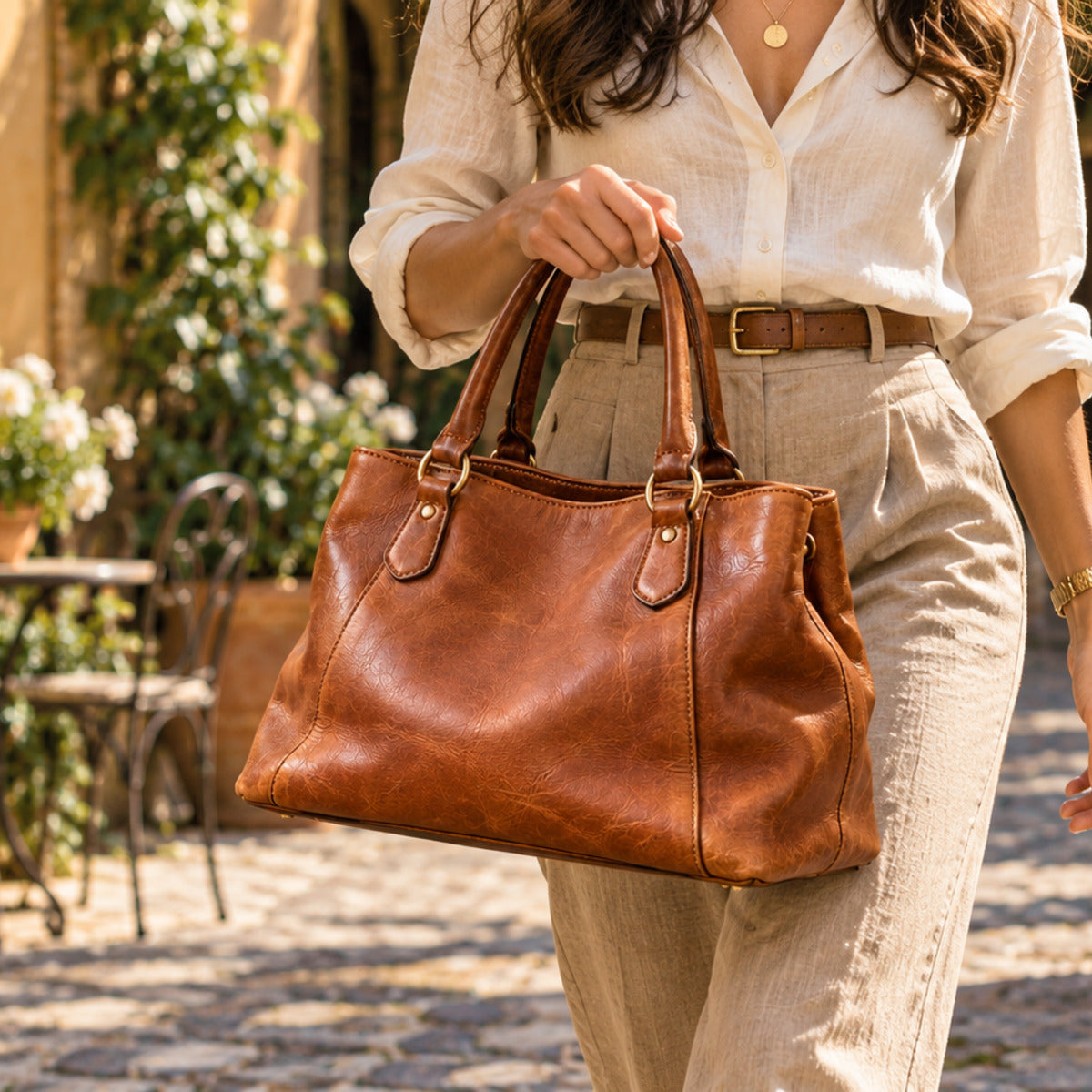
The desktop image is an illustrative scene generated with AI and does not document processing on a specific Ciccone model.