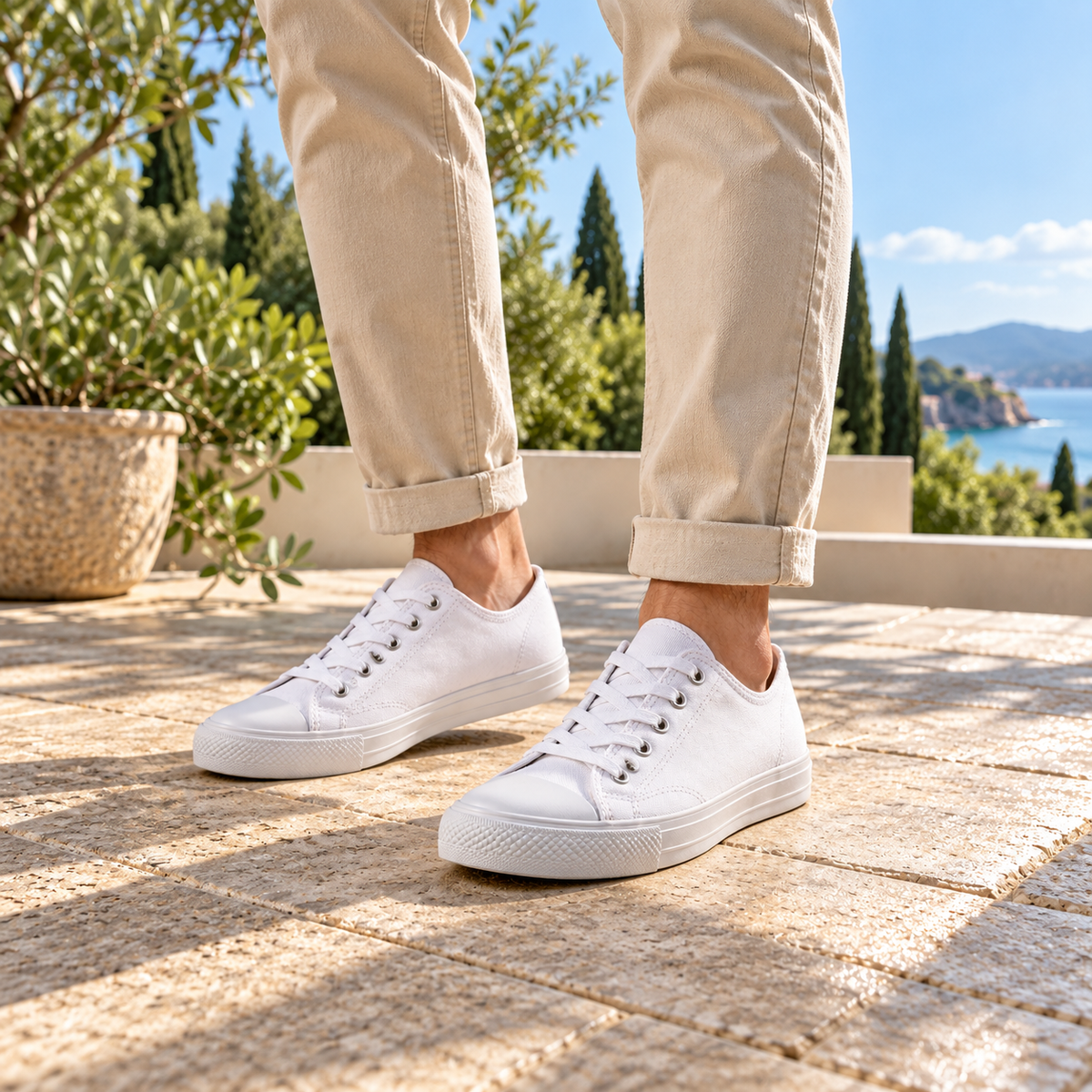
 Novelty
 Desert boots
 Ankle boots
 Sneakers
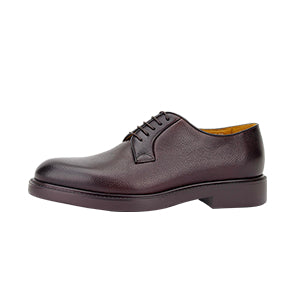 Derby
Derby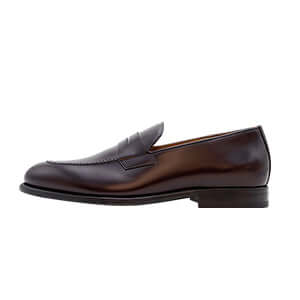 Loafers
 Oxfords
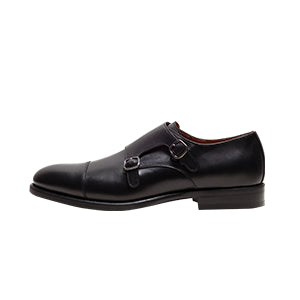 Double Buckle
 End of series
 Novelty
 Ankle boots
 Loafers
 Derby
Derby Oxfords
 Double Buckle
 End of series
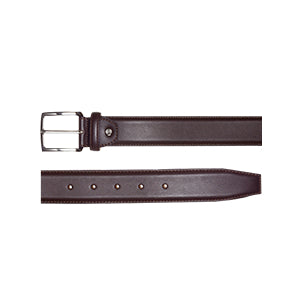 Belts
Belts Shoe care
 Insoles
 Men's socks
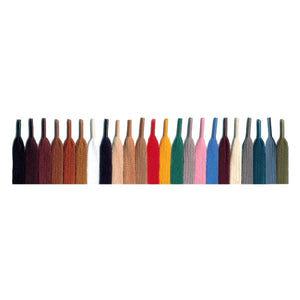 Laces and strings
 Gadgets
How to recognize a quality shoe: 10 details that really matter
In the shop a shoe can convince in a few seconds: beautiful light, shiny leather, a familiar name. Understanding how it is made requires a different look. Turn it over, look at the inside, follow a seam to the curve.
These ten details are not an exam with a final grade. These are questions to ask the pair and whoever is selling it. Price and logo can remain in the background for a moment.

1. Leather: it's not enough to read "real leather"
The term "real leather" says much less than it seems. Two natural leathers can have completely different appearance, durability and ability to age. A good one full-grain leather it preserves the most intact surface of the leather and tends to develop a personal patina over time. A very corrected or coated leather may instead appear perfect when new, but show the years less well.
Look at the surface in natural light: quality leather does not necessarily have to be as uniform as plastic. Small variations in grain are compatible with the nature of the material. When touching it, look for elasticity and a lively sensation, not simply softness.
2. Form comes before decoration
The last, or last, is the invisible architecture of the shoe. Determines toe, instep, heel, proportions and how the foot is contained. A good shoe looks balanced even without buckles, tassels or special colors.
3. The stitching: regularity, not quantity
More stitching does not automatically mean more quality. What matters is the regularity of the stitches, the tension of the thread, the precision of the curves and the cleanliness of the joints. A well-made seam seems almost obvious: it is loose thread, irregular curves and imprecise overlaps that betray hasty workmanship.
4. Lining and interior: where marketing reaches least
One of the best ways to judge a shoe is to look inside. A well-chosen leather cover should be smooth, comfortable and fitted without gross creases. The insole is also important: it is the platform on which the foot works for hours. The interior often reveals how much was invested in the overall construction.
5. The heel must contain, not crush
The rear heel counter gives structure to the heel. If it is too weak the shoe can lose shape quickly; if it is excessively rigid or poorly shaped it can become annoying. By gently pressing the back area you can feel whether there is a coherent structure under the skin.
6. The sole tells how the shoe was designed
Leather and rubber are not a hierarchy: they serve different needs. Leather offers elegance and a particular evolution with use; rubber can offer grip, insulation and practicality. More interesting than the material is observing how the sole is connected to the upper.

7. Blake, Goodyear and glued: what really changes?
In construction Blake a seam runs through the insole, upper and sole: it allows generally slim and flexible shoes. In Goodyear welted the upper is connected to a welt and the sole is sewn to the latter: it is a more complex structure, also appreciated for the possibility of working on the sole. However, there are excellent glued shoes and terrible sewn shoes: the name of the construction, alone, is not a certification of quality.
8. Look at the edges and small meeting points
The edge of the sole, the junction with the heel, the profile near the welt, the tongue attachment: these are areas that are not very photogenic and therefore very revealing. Careful workmanship tends to be consistent even where the customer looks less.
9. A good shoe must be able to age well
Quality is not eternal perfection. A good shoe bends, takes marks and changes color. The difference is how gets old. A well-chosen skin can gain depth; a well-constructed form can maintain proportions; Proper components can be replaced when they wear out. Alternating shoes, letting them dry naturally and using appropriate shoe trees matters almost as much as the initial quality.
10. Repairability is an often ignored indication of quality
A shoe designed to be maintained over time has a different value from a shoe designed as a use-and-replace object. Not everything is repairable and not every intervention makes economic sense, but soles, heels, edges, linings and parts of the upper can often be maintained or restored.
The 60 second in-store test
Take both shoes and compare them. Look at the leather against the light, follow the seams with your eye, observe the inside, gently compress the heel, check the edge of the sole and flex the forefoot moderately. Finally, place them on a flat surface and observe them from behind.
No single detail makes a judgment. It is the sum of the clues that tells whether behind a shoe there is above all an image or a project built to accompany the foot over time.

The visible stitching can be deceiving
A row of stitches on the edge does not alone demonstrate how the shoe is constructed. There are decorative stitching and bottoms that hide part of the assembly. To distinguish Blake, welting and gluing require a reliable technical description and, when necessary, the examination of a craftsman. Even a removable insole does not coincide with the structural insole.
The desktop image is an illustrative composition adapted with artificial intelligence from a catalog photo.