 Novelty
 Loafers
 Derby
Derby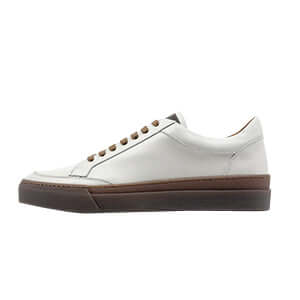 Sneakers
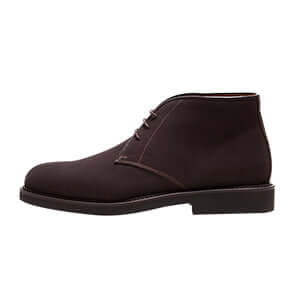 Desert boots
 Oxfords
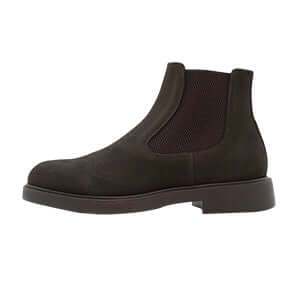 Ankle boots
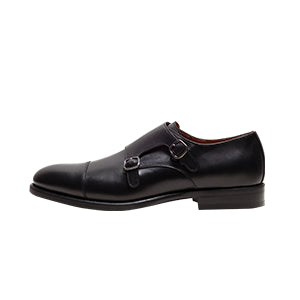 Double Buckle
 End of series
 Novelty
 Loafers
 Derby
Derby Oxfords
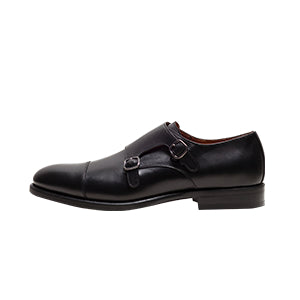 Double Buckle
 Ankle boots
 End of series
 Belts
Belts Shoe care
 Insoles
 Men's socks
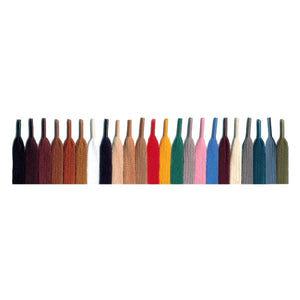 Laces and strings
 Gadgets
History of sneakers: why they are called that
Today the sneakers it is everywhere: in the gym, in the office, in music, in sport, in fashion and even in the collectors' market. But its story does not begin with an advertising campaign, nor with a famous logo.
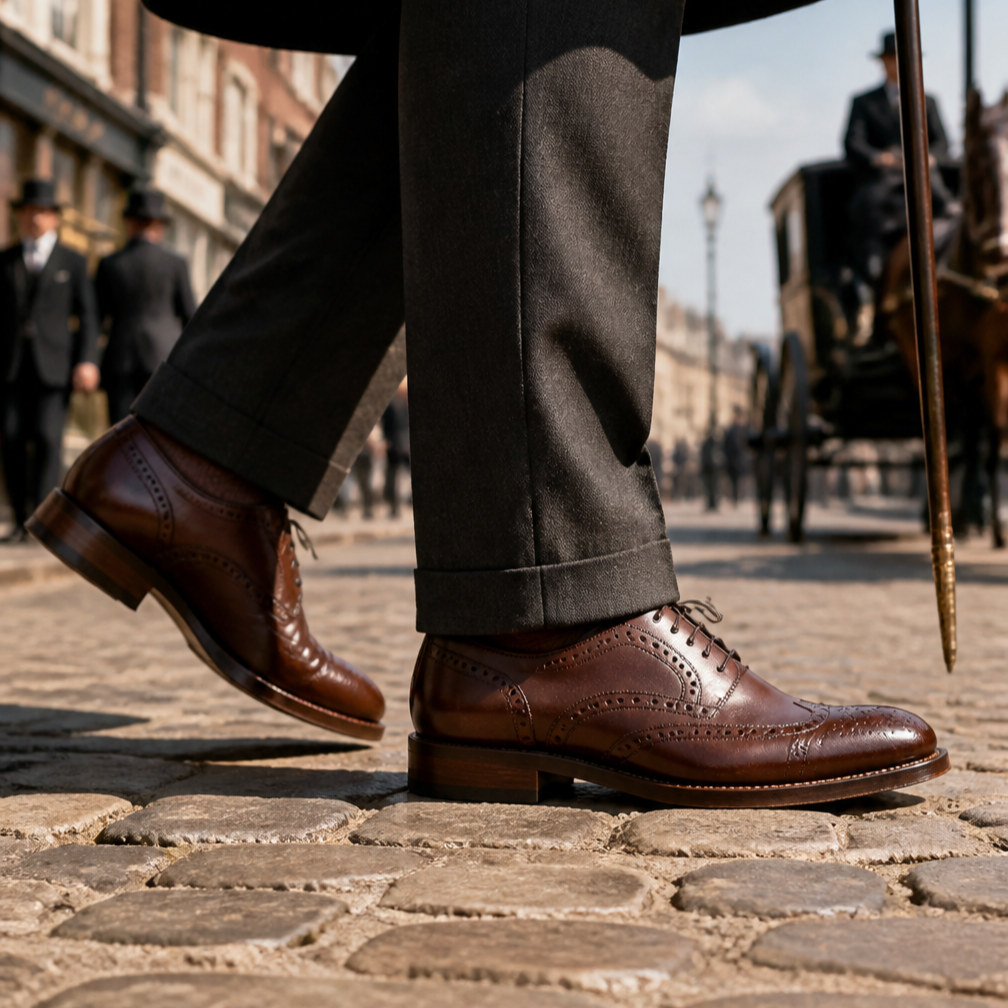
Start with a much more concrete detail: the sound of shoes. Before rubber, many shoes had hard soles, made of leather or wood. They were solid, but also stiff, heavy and noisy. Every step could be heard.
Why are they called sneakers?
Sneakers are called this because the first shoes with rubber soles allowed you to walk much more silently than shoes with hard soles. The term comes from English to sneak, that is, move furtively, without being heard.
Essential timeline of the sneaker
- 1830: the first canvas and rubber sand shoes appear in England.
- 1839: Charles Goodyear discovers vulcanization, making rubber more stable and resistant.
- Late nineteenth century: plimsolls, lightweight shoes with rubber soles, became widespread.
- 1916: Keds brings the canvas and rubber shoe to a wider audience.
- 1917: Converse All Star enters basketball and sports culture.
- Second twentieth century: the sneaker goes from sport to music, to the street, to fashion and collecting.


Before the sneaker: hard, heavy and noisy shoes
Until the 19th century, walking often meant hearing the impact of the sole on the floor. Shoes were built to last, not necessarily to absorb your stride. In a world made of leather, wood and pavements, footwear was a sonic presence.
This is where rubber changes everything. Not because a "fashionable" shoe is immediately born, but because the relationship between foot, ground and movement changes.


1830: sand shoes and the first great intuition
In 1830, in England, the Liverpool Rubber Company begins producing canvas shoes with rubber soles. They are called sand shoes, that is, beach shoes. They are simple, practical and designed for informal use.
The concept is revolutionary precisely because it is simple: a light canvas upper and a rubber sole capable of making the step softer and less noisy.


The rubber problem: heat, cold and vulcanization
At the beginning, rubber was not yet the reliable material we know today. In the heat it can become sticky, in the cold it can harden. It's useful, but unstable.
The turning point came in 1839, when Charles Goodyear discovers vulcanization. The rubber becomes more stable, more resistant and much more suitable for use in soles. Without this technical step, the modern sneaker probably would not have had the same history.


The plimsolls: when the lightweight shoe gets a name
In England these shoes then began to be called plimsolls. The name recalls the loading line of ships: on the shoes there was a similar line, at the point where the rubber met the canvas. If the water went above that line, the foot got wet.
It is a perfect name because it tells the function of the shoe: practical, immediate, linked to movement, free time and daily use.


From free time to sport
At first these shoes are not a fashion item. They are beach shoes, tennis shoes, cricket shoes, field shoes, exercise shoes. But something important happens right here: in the nineteenth century, free time was already a form of status. Being able to play sports, go on holiday, play and move around in an informal way is not for everyone.
The sneaker therefore grows within a social transformation: the body moves more, sport becomes visible, comfort begins to have value.


Why is it called a sneaker?
The word sneakers comes from to sneak, that is, move secretly. The reason is very concrete: compared to shoes with hard soles, those with rubber soles made much less noise.
The term was already circulating in the nineteenth century, but in 1917 it was often connected to Henry Nelson McKinney, American advertiser from N.W. Ayer & Son. The intuition is commercial but very powerful: to describe a shoe capable of making you walk almost without making you feel.


It arises from a physical quality of the shoe: the rubber makes the step quieter. Even before becoming a style icon, the sneaker is a shoe that changes the sound of walking.
1916 and 1917: Keds, Converse and the modern sneaker
In 1916 the U.S. Rubber Company launches Keds: a simple, accessible shoe, produced for a wider audience. In 1917 Converse introduced the All Star, designed for basketball. From here the sneaker changes skin: it is no longer just free time, but becomes more and more sport.
Basketball, in particular, transforms the sneaker into a recognizable object. Not just a comfortable shoe, but a shoe associated with performance, identity, players, teams and collective imagination.


From sport to music, from the street to fashion
The second transformation comes when the sneaker leaves the court. Enter music, urban culture, the street and then fashion. At that point it is no longer just a technical shoe: it becomes a language.
The sneaker can speak of belonging, taste, generation, status, rebellion or simply comfort. It is one of the few shoes capable of moving from sport to the catwalk without losing recognisability.


The sneaker today: global, cultural and collectible object
Today the sneaker is one of the most universal shoes in the contemporary wardrobe. He lives in the gym, in the office, in travel, in luxury, in retail and in collecting. Some models are bought to be worn, others to be preserved, still others to be repaired and put back on the road.
And this is where the story comes full circle: the sneaker was created to be used. It's a shoe designed to move. For this reason, when it gets ruined, it doesn't always make sense to throw it away. It can often be cleaned, resoled, sewn up, restored.

Because this story really matters
The sneaker became huge because it united three worlds that rarely go together: technique, comfort and culture. It comes from rubber, passes through sport, is adopted by the street and ends up in fashion. But underneath everything the same initial idea remains: a light, soft, practical and silent shoe.
Ultimately, his success starts from a very simple thing: walking better, making less noise.