 Novelty
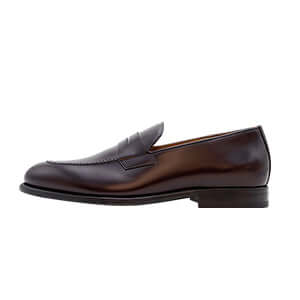 Loafers
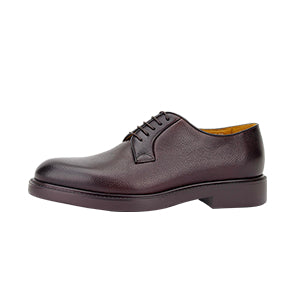 Derby
Derby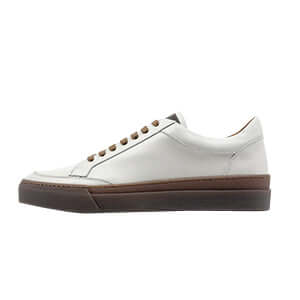 Sneakers
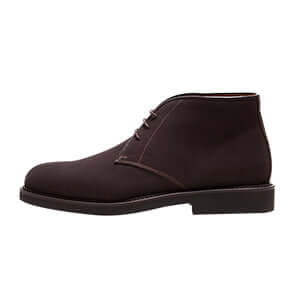 Desert boots
 Oxfords
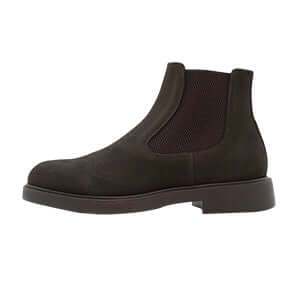 Ankle boots
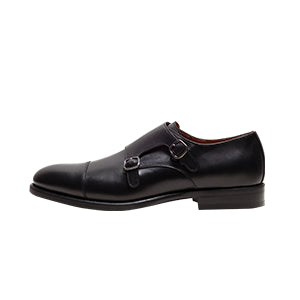 Double Buckle
 End of series
 Novelty
 Loafers
 Derby
Derby Oxfords
 Double Buckle
 Ankle boots
 End of series
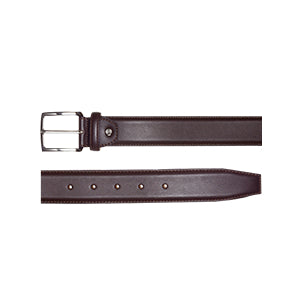 Belts
Belts Shoe care
 Insoles
 Men's socks
 Laces and strings
 Gadgets
Shoes and rain: how to protect your skin and suede
The shoe is wet, the radiator is on: the temptation lasts a second. It's exactly the second when it's best to stop. Direct heat can turn a damp pair into a stiff or warped pair.
This guide follows the journey from returning home to drying, then maintenance. Smooth leather, suede and nubuck require different gestures. The common rule is to give the material time to dry before adding products.

Does rain really ruin leather shoes?
Good skin isn't destroyed because it takes in a few drops of water. The problem arises when a finished shoe soaks unevenly, stays wet for a long time or is subjected to too aggressive drying.
When water penetrates the skin it can temporarily change the way the fibers are arranged. During evaporation, the surface can stiffen and oils in the material can redistribute. If the process happens too quickly, the skin can become drier, stiffer and prone to severe creases.
Furthermore, urban rain is not distilled water. On the pavement it encounters dust, dirt, road residues and salts. When water evaporates, some of these materials can remain on the surface and create halos, light edges or color differences.
Smooth skin, suede and nubuck: rain is not the same for everyone
Simply saying “leather shoe” is not very precise. Smooth leather with a relatively protective surface finish reacts to water very differently than a suede with open hair.
Smooth skin it tends to initially retain drops on the surface, especially if it has been nourished and protected correctly. If the water is removed early, often nothing of note happens. However, when the leather becomes soaked, the color may temporarily darken and streaks may appear during drying.
The suede It has a fibrous surface. Water can crush the fur, create darker areas and drag dirt between the fibers. This does not mean that the suede cannot be worn in autumn: this means that it must be treated with tools and products other than smooth leather.
The nubuck is often confused with the suede because it has a velvety surface, but is obtained by finely working the outer side of the leather. Here too, water, rubbing and the wrong products can change the surface appearance.
The first mistake: the hairdryer
When a shoe is wet, the temptation is to speed up. The hairdryer seems perfect: hot air, a few minutes and the surface appears dry. The problem is precisely the speed.
Concentrated heat can dry the outside long before the inside, promote stiffening and alter glues, finishes and synthetic materials present in the construction. The same principle applies to radiators, stoves and other direct heat sources.
A wet shoe should dry slowly, at room temperature and in a ventilated environment. It is not the quickest solution, but it is almost always the most respectful of materials.
What to do as soon as you get home with wet shoes
The first thing is to remove surface dirt without rubbing violently. If the shoe is very wet, removing the laces can help open it up and allow for more even ventilation. If the insole is removable, it may be useful to remove it and let it dry separately.
White absorbent paper can be inserted inside, without overfilling the shoe and without using newspapers which could transfer ink. The paper should be replaced when it is very damp. Once the shoe is no longer soaked, a suitable shoe tree can help maintain its shape during the final drying phase.
The most important rule is simple: do not apply creams, waxes or nourishing products on still wet skin. First let it dry completely, then evaluate the surface.
Why do white halos appear?
After a rainy day a whitish line may appear along the edge of the upper. Often it is not "discolored skin", but a deposit brought to the surface by humidity. In winter the phenomenon can become even more evident where road salts are used.
The mistake here is to immediately cover everything with a large amount of pigmented cream. First we need to understand what generated the halo. A controlled cleaning may be sufficient; in other cases the material requires deeper intervention. Attacking the surface without diagnosis can set the stain or alter the color.
The suede wet, it should not be brushed immediately
When the suede it is wet, the fur tends to clump together. Brushing hard at that time can stress an already vulnerable surface. It is best to blot away excess water, let it dry naturally and work the pile only when the material is dry.
At that point a specific brush for suede can help raise the fibers and make the appearance uniform again. If stains or hardened areas remain, you need to understand whether it is simple dirt, grease, salt or a real alteration of color: not all stains are treated in the same way.

Waterproofing: useful, but does not make the shoe waterproof
A protective spray suitable for the material can increase the resistance to water and dirt, especially on suede and nubuck. But the word “waterproofing” can create the wrong expectations. A leather dress shoe does not become a rubber boot.
The protectant is mainly used for slow down water penetration and make maintenance easier. It should be applied to clean, dry shoes, following the product instructions and testing it first in an inconspicuous place, because some treatments can slightly change the color or feel of the material.
And the sole? It's often the part we forget
When we talk about rain we always look at the upper, but a lot happens under the shoe. One leather sole it absorbs water and can become softer and more vulnerable to abrasion as long as it is wet. Continuing to walk on rough asphalt for a long time with a saturated leather sole can accelerate wear.
A rubber sole generally offers greater insulation from water, but you still need to check the edges, bonds and condition of the tread. A very worn sole loses grip just when the ground becomes slippery.
This is why early autumn is a good time to look at shoes from below: worn heel, smooth tread and thinned sole are signs to check before relying on the pair on wet surfaces.
Because alternating shoes matters more than many products
One of the best forms of maintenance can't be bought in a can. It's time. Wearing the same shoe every day means accumulating internal humidity, deformation and wear without giving the materials time to stabilize.
After a day in the rain, rotation becomes even more important. A shoe may appear dry on the outside and still retain moisture in the lining, insole, or between layers of construction. Letting it rest completely before wearing it again is often more beneficial than continually adding product to the upper.
Cream and wax: when to use them after the rain
Once the smooth skin is perfectly dry, you can observe whether it has lost softness or uniformity. A small amount of suitable cream can restore nourishment and even out the appearance. Wax, however, has a different function: it works mainly on the surface, can increase the shine and create a certain barrier on the more rigid areas of the shoe.
More product does not mean more protection. Excessive layers can build up in the creases, trap dirt and make the finish look unnatural. The best maintenance is regular and light, non-aggressive and occasional.

When rain becomes a laboratory problem
If after drying there remain large color differences, deep stains, very stiff skin, suede with compacted areas or a sole that has deformed, continuing with attempts at home can make the situation worse.
A craftsman can evaluate the upper, color, finish, lining and bottom separately. In some cases, proper cleaning is enough; in others it can be used to nourish, revive the color, work the hair of the suede or work on the sole. The important thing is not to confuse a simply dirty shoe with a shoe that has undergone an alteration in the material.
Water-repellent and waterproof: the useful distinction
The first property concerns the response of the surface to drops. The waterproofness of the shoe also depends on the stitching, joints and overall design. If the drops remain on the upper, you still do not have proof that water cannot enter from the edge of the sole.
The desktop image is an illustrative composition adapted with artificial intelligence from a catalog photo.