 Novelty
 Desert boots
 Ankle boots
 Sneakers
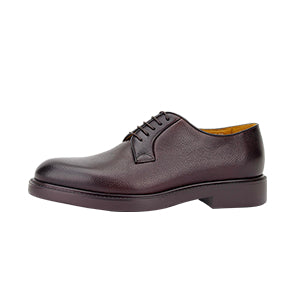 Derby
Derby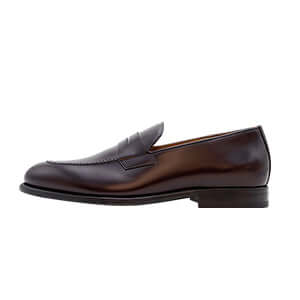 Loafers
 Oxfords
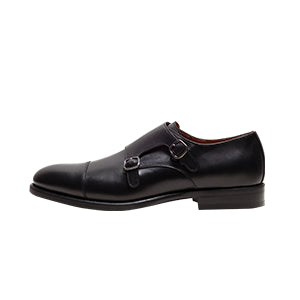 Double Buckle
 End of series
 Novelty
 Ankle boots
 Loafers
 Derby
Derby Oxfords
 Double Buckle
 End of series
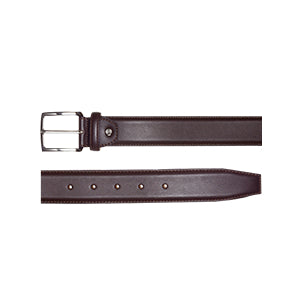 Belts
Belts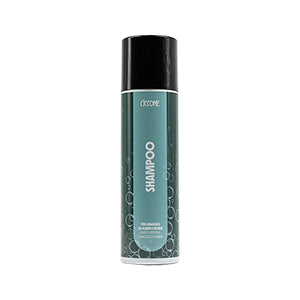 Shoe care
 Insoles
 Men's socks
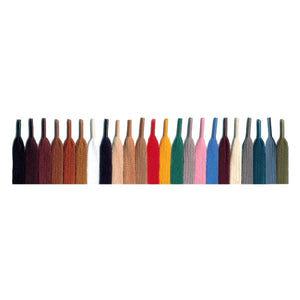 Laces and strings
 Gadgets
History of the rubber sole: the revolution of the step
Turn a shoe upside down. Underneath there may be a small pattern of circular reliefs or a deep mountain tread. They are both rubber bottoms, but they don't do the same job. The history of this material is precisely the history of different possibilities.
Rubber has expanded the way we design the tread: noise, flex, contact with the ground. It didn't erase the leather. He added a vocabulary, and even today the best choice depends on the shoe and the route.
Vulcanization: making the material usable
In the 19th century, vulcanization marked a decisive step: it allowed the rubber to be stabilized, which was previously problematic when temperatures varied. It is one of the prerequisites for the development of canvas and rubber footwear described in the history of sneakers.
Vibram talks about the development of the Carrarmato and its connection with the mountains.
Since then, however, there has not been a single "rubber sole". Formulation, density and design become design choices. Pressing the bottom with your finger isn't enough to predict how it will work after miles of use.

1937: the Tank thinks of the mountains
Vibram places Vitale Bramani's Carrarmato project in 1937, developed to improve safety and protection in the mountains. The tread is a legible idea: reliefs and spaces change the relationship with the ground. The name Vibram combines parts of the founder's first and last name.
From here it does not follow that a very sculpted background is ideal everywhere. Behavior on mud and on a smooth wet floor are not the same test. Grip also depends on the compound and the condition of the sole.

Dainite: The rubber maintains a city profile
Dainite's Studded bottom uses circular reliefs and a discreet profile. The manufacturer highlights the design which limits the accumulation of dirt compared to deep grooves. Curiosity is in the name: Dainite was born from the reference to day and night, the factory work shifts.
It's an industrial story under a dress shoe. Rubber can remain visually contained without imitating leather: the project decides how much it should be visible and what it should be used for.
Waterproof sole does not mean waterproof shoe
A base that does not absorb water like leather does not seal seams, joints and elastics. To understand how protected a shoe is you need to look at the whole thing. Even terms such as "extra light" describe a characteristic of the component, they do not guarantee all possible performances.

When you resole, you change a balance
Height, weight, stiffness and flex affect your stride. Fitting a different bottom can change all these elements, as well as aesthetics. In the laboratory, the heel, shape, upper and intended use are evaluated before proposing a solution.
If the upper is still healthy but the tread is worn, one evaluation of resoling allows you to understand what is possible. The right question is not just "rubber or leather?", but "which bottom for this shoe and for my way of using it?".
The desktop image is an illustrative composition adapted with artificial intelligence from a catalog photo.