 Novelty
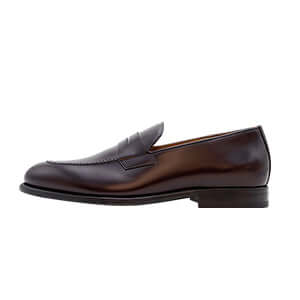 Loafers
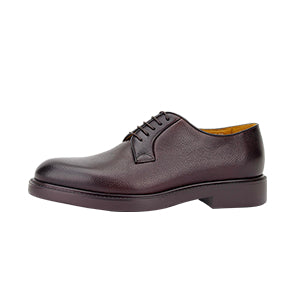 Derby
Derby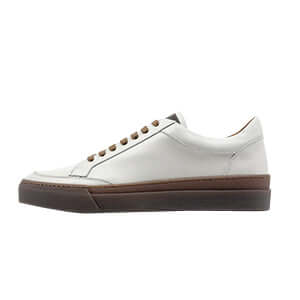 Sneakers
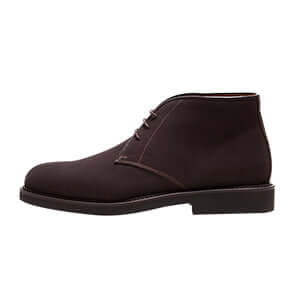 Desert boots
 Oxfords
 Ankle boots
 Double Buckle
 End of series
 Novelty
 Loafers
 Derby
Derby Oxfords
 Double Buckle
 Ankle boots
 End of series
 Belts
Belts Shoe care
 Insoles
 Men's socks
 Laces and strings
 Gadgets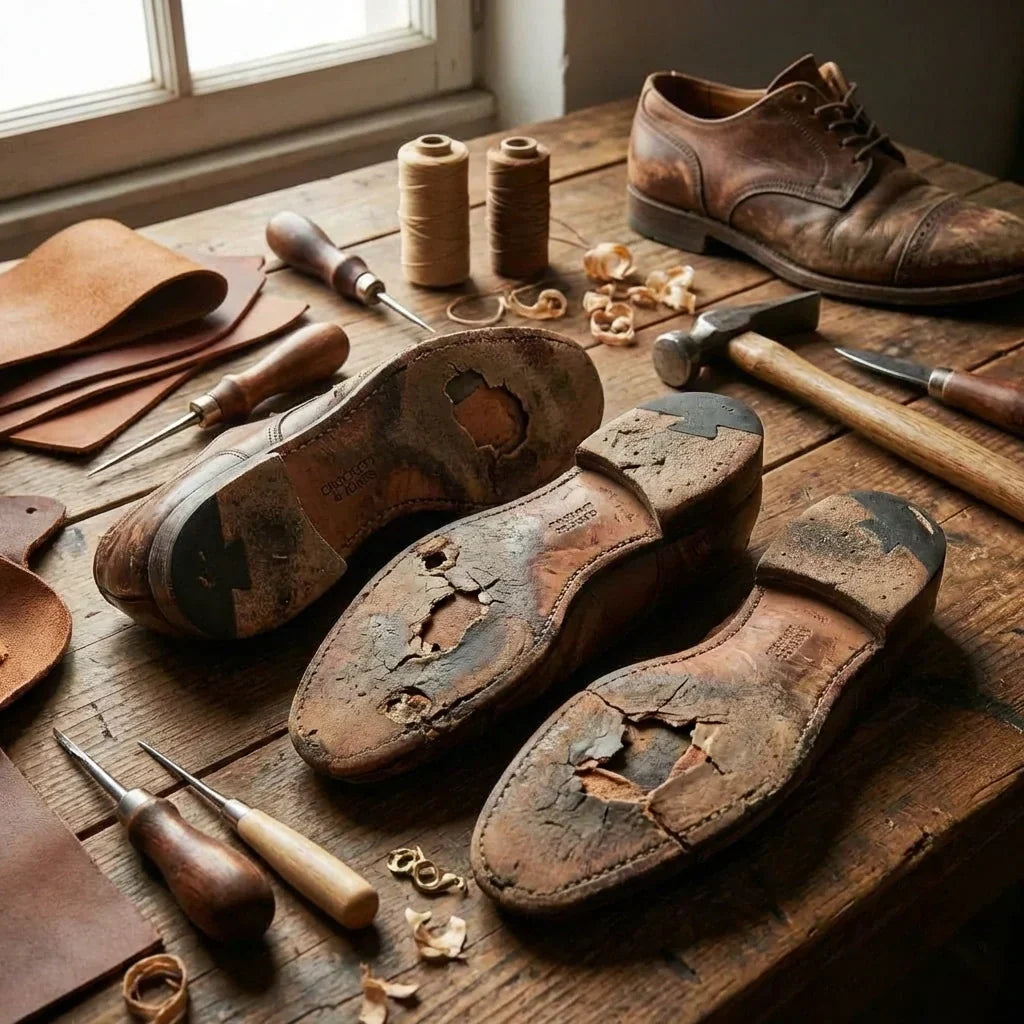
When is it best to repair shoes? The 7 criteria of the Ciccone Masters
Shoes accompany daily life much more than you think. Over time it is normal for them to show signs of wear, but this does not necessarily mean that they need to be replaced.
In many cases one good repair allows you to prolong the life of a shoe, maintaining its comfort and functionality. Other times, however, intervening is no longer convenient. In our workshops this evaluation takes place every day.
Understand when to repair shoes and when to replace them helps you make an informed choice. In this article we have collected the criteria we use in the laboratory to evaluate footwear and understand when repairing shoes is the right choice and when it is better to replace them. A practical compass, built on artisanal experience and the actual use of shoes over time.
Why ask yourself if it is worth repairing your shoes
Asking yourself whether it is worth repairing a pair of shoes comes from a change of perspective. One quality shoe it is an asset built to last, accompany and adapt over time. In handcrafted and well-made footwear, each component has a precise function and a value that goes beyond surface wear.
Over the years, however, the idea has spread that a shoe should be replaced at the first signs of wear. A smooth sole, a marked heel or a sagging seam often become the reason for eliminating it. Yet, the life of a shoe does not coincide with the first visible sign of wear. Very often it coincides with a choice: stopping, evaluating, understanding if that object still has something to offer.
There is also a practical and concrete motivation. Repairing a good quality shoe allows you to protect an investment already made, avoiding frequent replacements and repeated purchases. It is a choice that speaks of attention, awareness and respect for materials, especially when it comes to leather and processes that require time and expertise.
Added to this is an increasingly widespread sensitivity towardsenvironmental impact. Prolonging the life of a shoe means reducing waste and limiting the consumption of new resources. Repairing thus becomes a simple but significant gesture, which combines personal care and responsibility.

The signs that make repairs convenient
Understanding whether a shoe deserves to be repaired involves aaccurate technical evaluation and a careful analysis of small clues that tell the real state of the shoe. In Ciccone laboratory we observe the materials, internal wear, the structure and history of the object. Some signs, more than others, clearly indicate that a repair can give the shoe a long second life.
1. When the upper has no cuts or holes
Surely the first aspect we evaluate is the condition of the upper, as well as the heart of the shoe. If the upper part is intact, repair becomes a sensible choice in most cases. Soles and heels they are elements naturally subject to consumption and designed to be replaced; the upper, on the other hand, is the structure that defines the overall durability of the shoe.
One scratched or slightly marked skin it can often be treated, nourished and revived. The case of one is different cracked or deeply damaged skin, where the material has now lost continuity and resistance. The same goes for the suede: a crushed or dirty surface can be recovered, while deep tears compromise the stability of the shoe.
When the upper is healthy, the shoe still retains its potential!
2. When the lining is not too worn
Another point that we immediately observe is theinside of the shoe. The heel lining, in particular, tells a lot about use over time. It is one of the areas most subject to rubbing and, when worn, can create holes or expose internal structures.
If wear is limited, the lining can be rebuilt or reinforced, restoring comfort and stability. However, when the inside of the shoe is very deteriorated, what in the laboratory is often defined as a "fired" shoe, the repair becomes more complex and less convenient.
3. When the shoe has sentimental value
Not all shoes are brought in for repairs for practical reasons. Some come with a story. Shoes worn at a wedding, received as gifts, bought during an important trip or vintage models preserved over the years.
In these situations the economic criterion takes second place. The goal is not simply to prolong use, but preserve an object that holds a memory.
Repairing becomes, in these cases, a way to continue to carry a part of one's history with oneself. Knowing that we are part of this process makes us proud of our work!
4. When the shoe has taken the shape of the foot (and is very comfortable)
There is a moment when a shoe stops being "new" and truly becomes ours. The skin adapts, the structure softens in the right places, the foot finds a natural balance. It is the phase in which the shoe no longer causes discomfort and accompanies the step without being noticed.
This adaptability has a concrete value, therefore repairing a shoe that fits perfectly means preserving a comfort already built over time. Replacing it with a new pair, even a good one, often means starting over: initial stiffness, adaptation, small blisters.
As we often say: a shoe already "made" on the foot it is often more precious than it seems!
5. When the cost of repair does not exceed (or justify) the cost of new
The convenience it also passes through one practical evaluation. Interventions such as the replacement of soles and heels, small stitching or localized reinforcements generally have low costs compared to purchasing a new shoe of similar quality.
In the shop the reasoning is always the same: we consider the original quality of the shoe and the durability it may have after repair. If the intervention allows you to still obtain years of use, the choice becomes natural. It's about spending in a way that is proportionate to the real value of the shoe, not just about spending less and saving.
6. When that model can no longer be found on the market
It happens more often than you think: discontinued models, hard-to-find sizes, particular fits or shoes that simply no longer exist in current collections.
This happens with premium sneakers, well-constructed ankle boots, perfectly shaped pumps or footwear purchased years ago. When replacing becomes difficult or impossible, repair becomes the most natural solution.
Maintaining what already works is often easier than looking for an equivalent.
7.When you want to reduce waste (sustainable choice)
In recent years, more and more people are choosing to repair for one too environmental reason.
We at Maestri Ciccone believe a lot in sustainability and in the importance of recovering rather than throwing away. Prolonging the life of a shoe means reducing waste and limiting the consumption of new resources.
It is a gesture consistent with a more conscious way of purchasing: buy less, choose better, keep longer. Repair fits naturally into this circular economy logic, where objects are not replaced at the first sign of wear.

When it is better not to repair (and why we tell you honestly)
Repair is not always the right choice. In the laboratory, an important part of the work also consists of recognize when an intervention would not make sense neither for the shoe nor for the customer. Saying no, in certain cases, is a form of respect: towards artisanal work and towards those who rely on our judgement.
There are shoes that arrive in the shop when their structure is now compromised. Completely worn out soles, cracked or weakened uppers, synthetic materials that fall apart when touched. In these cases, even a technically possible repair would not guarantee sufficient durability.
Le shoes made with cheap materials they are often not designed to be repaired. The glues give way, the internal supports lose stability, the surfaces cannot support new processes. Intervening would mean returning a shoe that would not last long, and this is not a good service.
For this reason, there are situations in which we recommend not proceeding. It is not a renunciation of work, but a choice of honesty: a repair must make sense over time, not just immediately.
As anticipated, another frequent case concerns the relationship between the cost of the intervention and the value of the footwear. The point is not just the price of the repair, but what the shoe can still offer after the repair. When this perspective is missing, the most correct choice is to say so clearly.
How an evaluation works by Maestri Ciccone
Every repair starts with a sincere check: Can the shoe really be repaired, and is it worth doing? Not all footwear can go back to the way it was before, and when the structure doesn't allow it we prefer to say it transparently. Repair, for us, only makes sense when it can guarantee comfort, balance and durability.
Often the evaluation begins with a photograph, which allows a first reading of the state of the shoe. The complete analysis then takes place in the laboratory, where materials, stitching and structure are checked live. From this observation comes a simple and transparent proposal: recommended intervention, materials, processing times and expected result.
Not only elegant shoes arrive in the shop: we repair sneakers, heels, ballet flats, motorcycle shoes and handcrafted footwear, along with leather accessories such as bags, belts and wallets.
Those in Milan can bring their shoes directly to the Missori's shops e Come on. Alternatively it is possible request home collection, with insured shipping, protective packaging and safe return. From the moment of receipt, a complete restoration takes on average about three weeks, the time necessary to work without haste and with the right attention.
If you have a pair of shoes, a bag or a leather accessory that you're not ready to throw away yet, you can request a quote directly from our site.
We will tell you honestly if it's time to let him go or if he can go back to doing his job.