 Novità
 Loafers
 Derby
Derby Sneakers
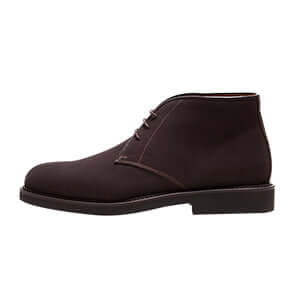 Desert boots
 Oxfords
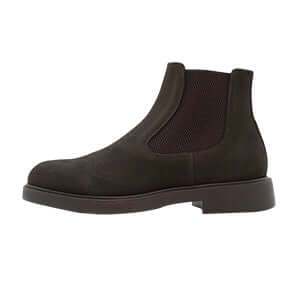 Ankle boots
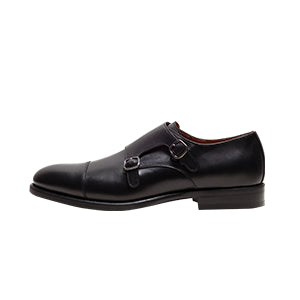 Double Buckle
 End of series
 Novità
 Loafers
 Derby
Derby Oxfords
 Double Buckle
 Ankle boots
 End of series
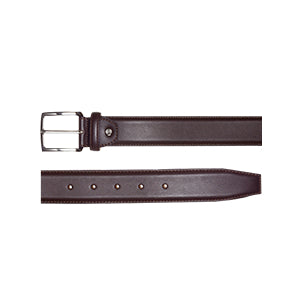 Belts
Belts Shoe care
 Insoles
 Men's socks
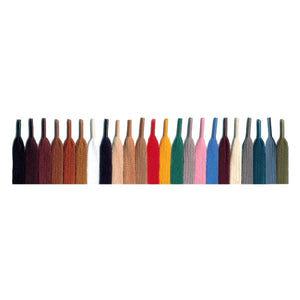 Laces and strings
 Gadgets
History of the desert boot: origins, cracks and Clarks
The desert boot is one of the rare cases in which a shoe becomes classic almost without needing to change. Its strength is in its simplicity: two eyelets, clean lines, barely covered ankles, soft uppers and often a crepe sole with an unmistakable character.
What is a desert boot?
The desert boot is an essential casual boot, often in suede and with a crepe sole, born from the idea of a practical, lightweight shoe suitable for movement. Its modern success is linked above all to Clarks.
Essential desert boot timeline
- Desert contexts: simple and functional ankle boots are observed in North Africa.
- Nathan Clark: intuition comes from the observation of those practical shoes.
- Post-war: Clarks turns the idea into a recognizable civilian model.
- Suede and crepe: materials and sole define the relaxed character of the shoe.
- Today: the desert boot remains a casual, urban and transversal classic.
A shoe that was born watching the soldiers
The best-known story comes from Nathan Clark, who during his military service observed some simple boots in North Africa, often with crepe soles, used in desert contexts. Those shoes have something immediately convincing: lightness, practicality, clean lines.
Because it works so well
The desert boot works because it is in a very rare spot. It's not a low lace-up shoe, it's not a full boot, it's not a sneaker. It brings together simplicity, softness, ankle protection and ease of use.
The crepe sole then gives it a very precise character: softer, more natural, more relaxed. It's a shoe that almost seems like it doesn't want to prove anything, and this is precisely its charm.
Casual before contemporary casual
Long before casual became the dominant language of the wardrobe, the desert boot already showed a possible path: not the rigidity of the formal shoe, not the total informality of the sneaker, but a very intelligent intermediate territory.
Why it still matters
The desert boot continues to work with denim, chinos, velvet, wool, knitwear, lightweight jackets and deconstructed suits. It represents a very rare form of design: one that seems simple only because it has been solved well.