 New arrivals
 Desert boots
 Ankle boots
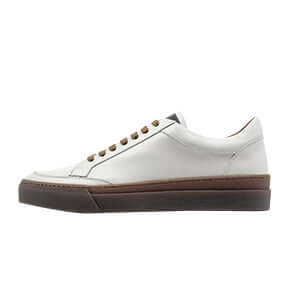 Sneakers
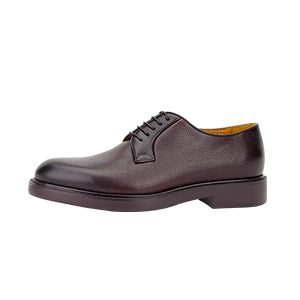 Derby
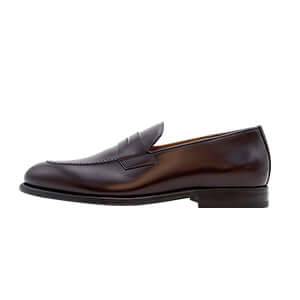 Loafers
 Oxfords
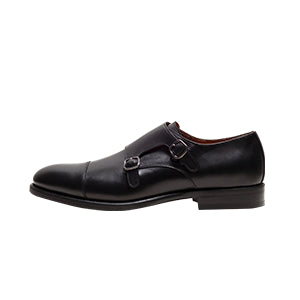 Double monk straps
 Last pairs
 New arrivals
 Ankle boots
 Loafers
 Derby
 Oxfords
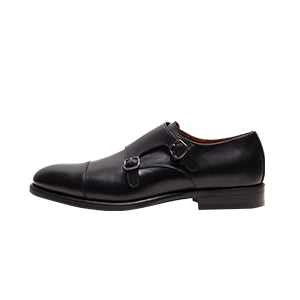 Double monk straps
 Last pairs
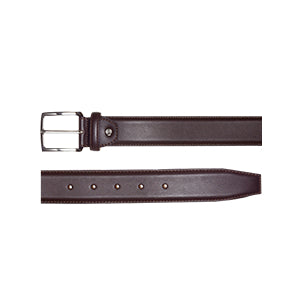 Belts
 Shoe care
 Insoles
 Men's socks
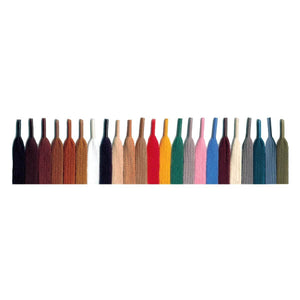 Shoelaces
 Gadgets

History of the desert boot: origins, cracks and Clarks
Two eyelets, suede and an almost raw-looking sole: the Desert Boot has transformed an essential combination into a classic. The curious part of his story is the journey. The inspiration comes from Nathan Clark's military experience and from the shoes seen on the feet of officers, then arrives in the civilian wardrobe.
But one Desert boot suede is not automatically a Clarks Desert Boot. It's a useful distinction, especially when you choose the bottom and expect a certain behavior from the shoe.
From Cairo to the 1950 launch
Clarks says that Nathan Clark, while serving in Burma, observed suede boots purchased by officers in the bazaars of Cairo. The brand's model was launched in 1950. Its identity combines essential lines, suede and crepe sole.
Clarks reconstructs the journey that led Nathan Clark to the launch of the Desert Boot in 1950.
It was not born as a shoe built for a catwalk. It is a project that takes an informal solution out of the context in which it was observed. This distance between origin and destination explains part of its appeal.

The crepe can be seen and felt
The uneven surface of the sole is a recognizable sign. Traditional crepe comes from natural rubber worked into sheets: its character is different from that of a compact rubber or a light expanded base. Appearance, flexibility and maintenance are not interchangeable.
Don't choose it thinking that any rubber base offers the same grip. Terrain, compound, temperature and wear change behavior. Nor does suede plus rubber equal, on its own, waterproofness.
Chukka, Desert boot, Desert Boot: A family with differences
Chukka e Desert boot are terms used for ankle boots with few eyelets and a simple design. Desert Boot indicates the Clarks model and, in current usage, also shoes inspired by that combination. It is better to read the pair's information sheet than to rely on the similarity with all your expectations.

An informal shoe without a scruffy effect
Suede looks good next to clean denim, cotton and knitwear because it works on texture rather than shine. The hem of the trousers matters: too much fabric accumulated on the ankle cancels out the essential design of the boot. A thicker background, however, changes the visual weight of the whole ensemble.

Maintenance starts with the sole you actually have
For the suede upper, remove the dust with a suitable brush and clean the fur when it is dry. For the base, follow the manufacturer's instructions: solvents or improvised detergents can alter it. If you need one resoling, have the construction, adhesives and compatibility of the new base evaluated.
The success of the Desert Boot shows how long a simple shape can last. To make a single pair last, however, you need to know its materials: the name tells a story, the technical data sheet tells the story of the shoe you will wear.
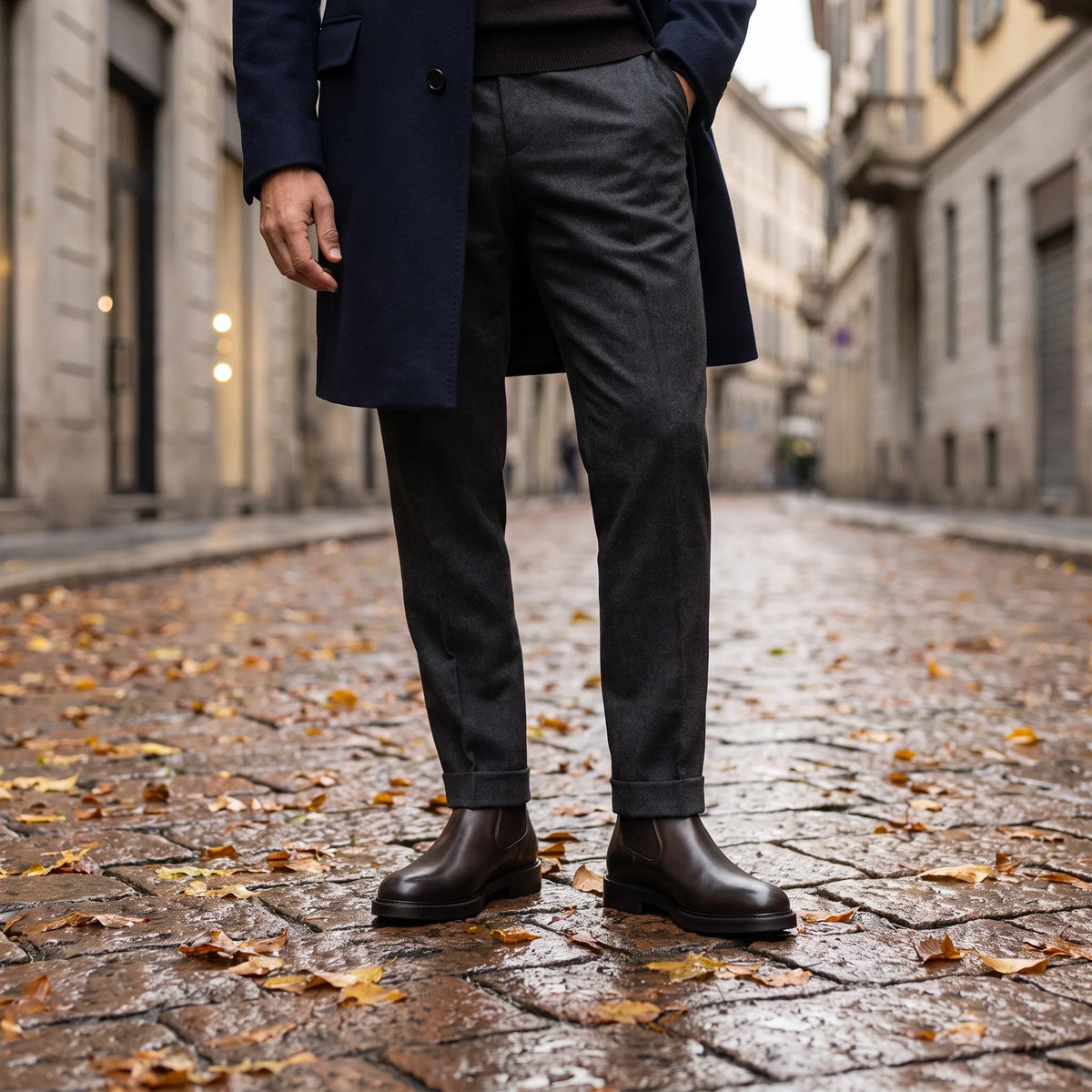
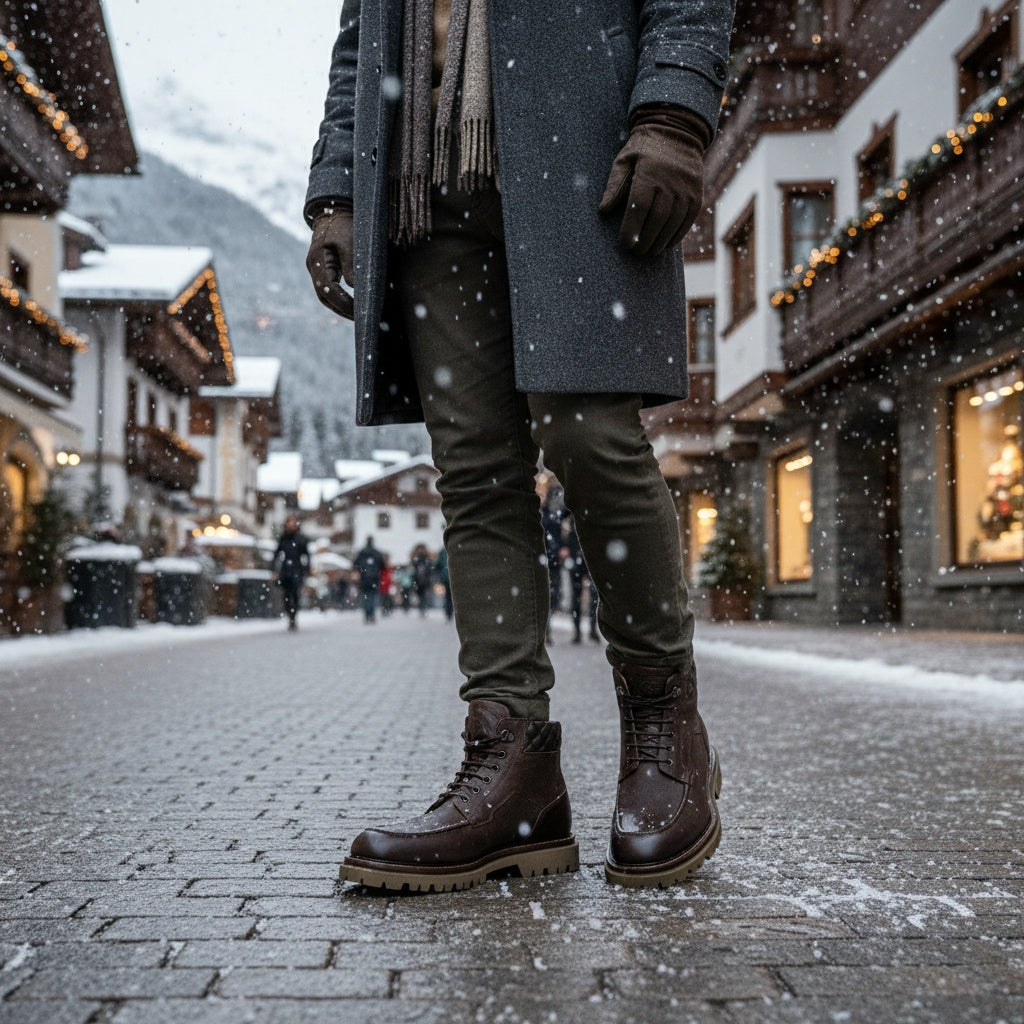
The desktop image is an illustrative composition adapted with artificial intelligence from a catalog photo.