 Novità
 Loafers
 Derby
Derby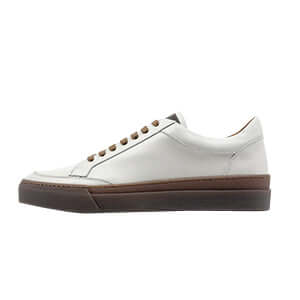 Sneakers
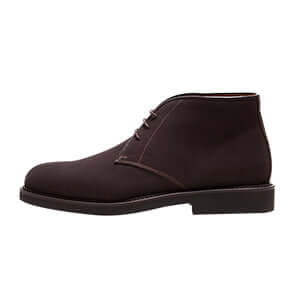 Desert boots
 Oxfords
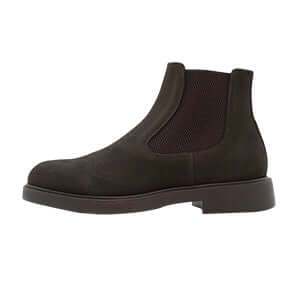 Ankle boots
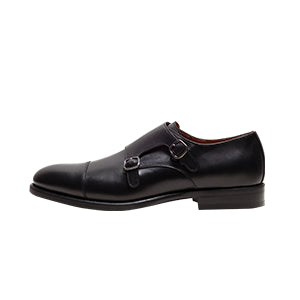 Double Buckle
 End of series
 Novità
 Loafers
 Derby
Derby Oxfords
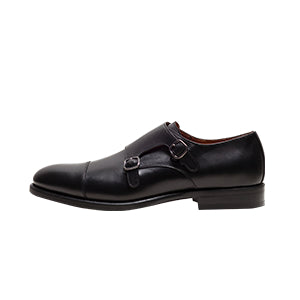 Double Buckle
 Ankle boots
 End of series
 Belts
Belts Shoe care
 Insoles
 Men's socks
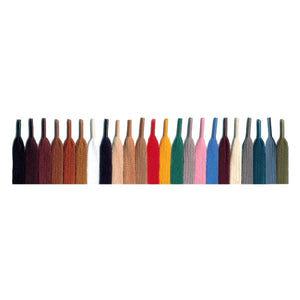 Laces and strings
 Gadgets
History of brogues: why they have holes
Today brogues are recognizable by the perforations and designs on the toe cap. But those "holes" were not created as a simple ornament: in the most widespread reconstruction, they retain the memory of a practical function.
Why do brogues have holes?
Brogues have holes because, according to the most widespread historical explanation, the perforations originally helped to let water out of shoes used in humid environments. Over time that function became decoration and aesthetic language.
Essential brogue timeline
- Rustic origins: shoes linked to wetlands between Ireland and Scotland.
- Function: perforations are associated with water drainage.
- British Shoe: the brogue enters the classic wardrobe.
- Quarter, half, full: different degrees of decoration arise.
- Today: brogue indicates a decorative language applicable to Oxfords, Derbys and boots.
First decoration, then memory of a function
In the most widespread reconstruction, the brogue has its roots in rustic shoes used in humid environments. The perforations helped the water to escape more quickly after passing through wet ground.
Whether each hole had a precise function or whether the story was simplified over time, the point remains strong: the brogue was born in a practical world, not a salon one.
From wet terrain to the classic shoe
When the British shoe refined itself between the 19th and 20th centuries, the brogue changed its role. Perforations no longer serve primarily to drain water: they become an aesthetic code. But they bring with them a memory of rusticity and the outdoors.
Quarter, half and full brogue
Different degrees of brogue develop over time. The quarter brogue has more discreet perforations. The half brogue adds a more pronounced design on the toe cap. The full brogue, often called wingtip, is the most famous version, with the wingtip.
Because they still like it
The brogue is popular because it is a classic shoe that never appears silent. The perforations give it rhythm, character and presence. More than a single model, it is a way of engraving personality on a shoe.