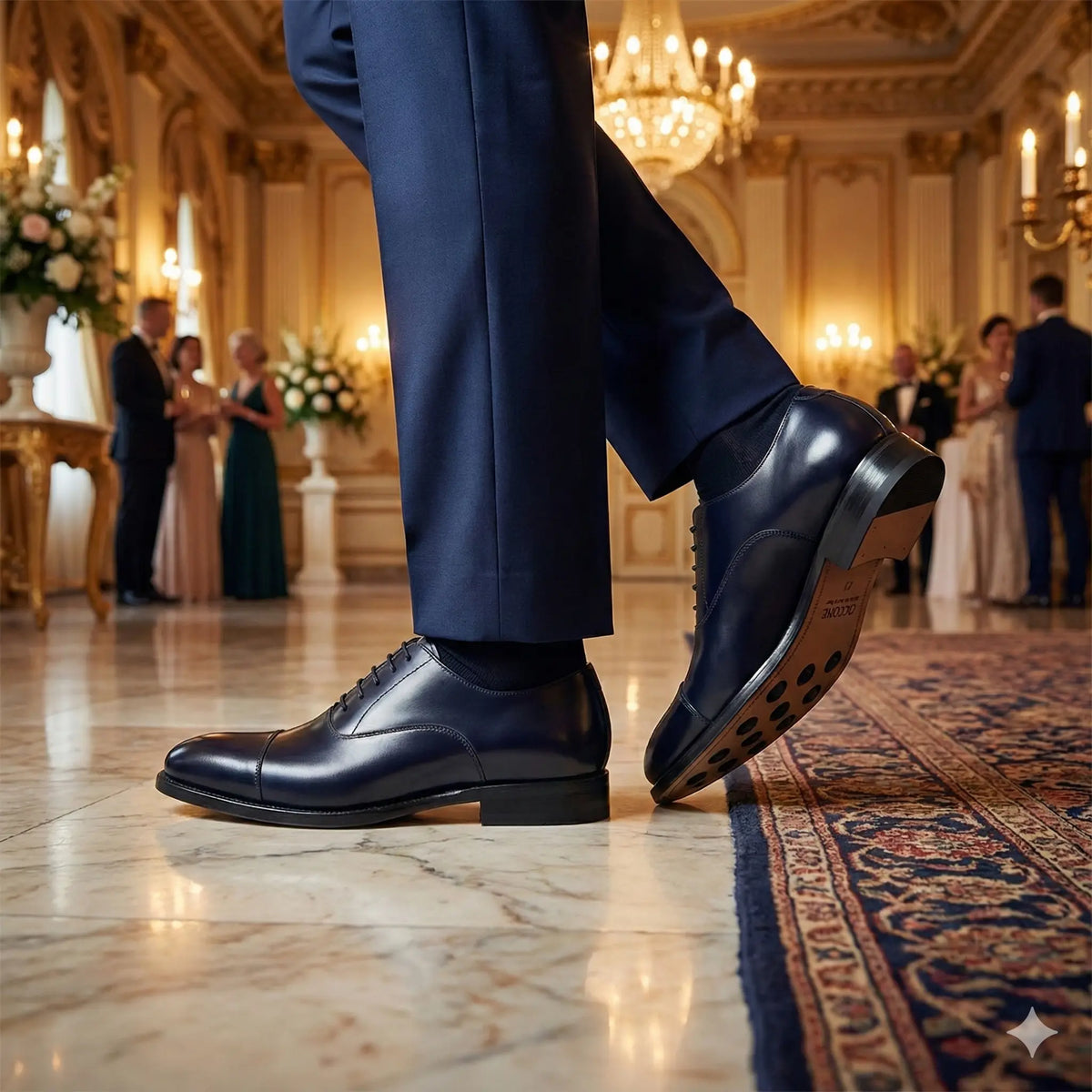
 Novità
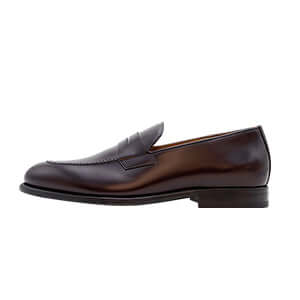 Loafers
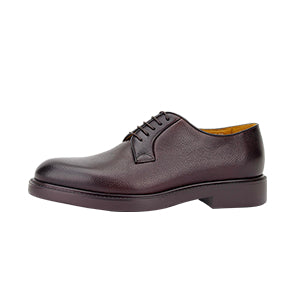 Derby
Derby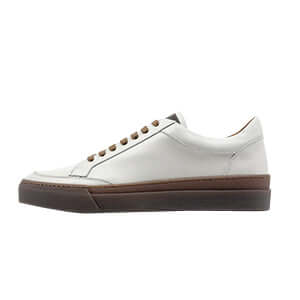 Sneakers
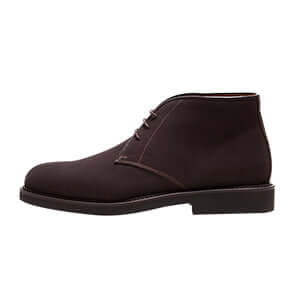 Desert boots
 Oxfords
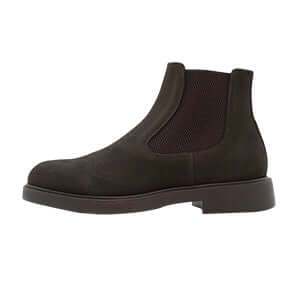 Ankle boots
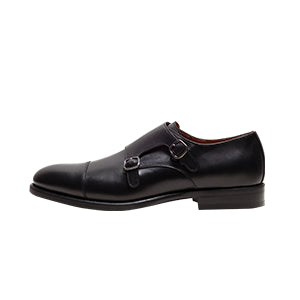 Double Buckle
 End of series
 Novità
 Loafers
 Derby
Derby Oxfords
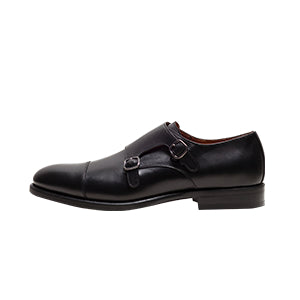 Double Buckle
 Ankle boots
 End of series
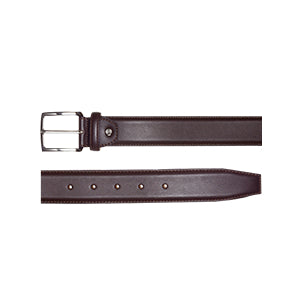 Belts
Belts Shoe care
 Insoles
 Men's socks
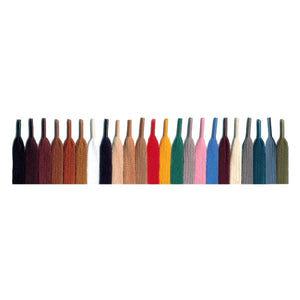 Laces and strings
 Gadgets
Satin shoes: why they are the trend of autumn 2026 and how to take care of them
For years, satin remained confined to dress shoes, weddings and special occasions. Something different is happening in autumn 2026: satin comes down from the pedestal and returns to the collections as the protagonist material.
The result is fascinating but poses a very concrete question: how do you really live with a satin shoe? To understand it you have to start from the material, not from fashion.
Why everyone is talking about satin shoes in autumn 2026
The autumn-winter 2026 catwalks brought satin back to the center of footwear. Pumps, slingbacks, mules and more experimental models have appeared in the collections of houses such as Balmain, Valentino, Calvin Klein, Ferragamo and Roger Vivier. At the end of August 2026 ELLE explicitly indicated the satin shoes among the newest trends of the season.
It's interesting because satin comes after years dominated by technical sneakers, suede, lived-in leather and footwear with a practical aesthetic. Its luminous surface goes in the opposite direction: it is delicate, elegant, almost theatrical. Precisely for this reason it seems new.
Are satin and satin the same thing?
In the language of fashion the terms are often used as equivalent, but the fundamental point is another: satin does not necessarily identify a fibre, but above all a type of textile weave. The particular construction leaves long stretches of wire visible on the surface and creates the typical smooth and bright appearance.
Historically the most precious satins were made of silk. Today a satin shoe can be made with silk, viscose, polyester or blends. Two shoes that both appear to be "satin" in the photograph can therefore behave very differently when they are wet, rubbed or cleaned.
Because satin shines
Light flows across the surface because the entanglement exposes relatively long portions of the wires. Fewer visible interruptions mean a more uniform and reflective surface. It's the same reason why satin is so beautiful and so vulnerable: those surface threads can mark more easily than on a solid canvas.
A small abrasion that almost disappears on pebbled leather can become noticeable on satin because it changes the way light is reflected.
Silk, polyester and viscose: there is not just one satin
Before cleaning a shoe you should know what it is made of. Silk satin is refined but sensitive to water and aggressive processes. Polyester tends to be more durable and dimensionally stable, but that doesn't mean it can be treated without care. Viscose can react to moisture and rubbing even differently.
The useful rule is simple: “satin” describes the appearance and construction, it is not enough by itself to establish how to clean the shoe. Label, manufacturer's directions and prior testing in a hidden area matter more than any universal trick found online.
The real enemy: it's not just water
A drop can leave a mark, but the most common problems are often dust, grease, friction and pressure. The edge of the other shoe, a car step, a suitcase or an evening on rough pavement can alter the surface.
Grease is also insidious: it penetrates the fibers and locally changes the reflection of light. This is why vigorously rubbing a satin stain is almost always a bad idea.
How to clean a satin shoe without ruining it
The first intervention should be as least invasive as possible. If there is dry powder, start with a brush or an extremely soft brush, working without crushing the fabric. If there is a stain, you must first identify its nature.
When the manufacturer's instructions allow a wet intervention, we work with minimal quantities of solution, dabbing and without saturating the material. It is important to avoid creating a clear border between the wet and dry area, one of the classic causes of halos.
Never start with alcohol, acetone, bleach, household degreasers or aggressive wipes. On a shiny material, simply altering the surface slightly will create an optical stain even when the dirt has been removed.
Can the satin shoe be waterproofed?
“Waterproofing” is too strong a word. There are water-repellent protectors compatible with some fabrics, but they must be chosen based on the composition and tested in an inconspicuous area. An unsuitable product may change colour, feel or shine.
A protective treatment may reduce the immediate absorption of a few drops, but it does not turn a satin pump into a rain shoe. On a stormy day the best protection is to choose another shoe.
If it gets wet: the hairdryer's fault
When a delicate shoe gets wet, the temptation is to speed things up with a hairdryer, radiator or other heat source. This is exactly what should be avoided. Heat can change glues, reinforcements, linings and internal materials, as well as make drying uneven.
Better to absorb the excess without rubbing, maintain the shape and leave to dry naturally in a ventilated environment, away from direct sun and heat sources.
Because satin shoes get marked even when they are clean
Satin may show differences in luster caused simply by the orientation or compression of the threads. Not everything that looks like a stain is necessarily dirty. Sometimes the surface has been crushed or rubbed and reflects light differently.
This is an important detail because insisting on cleaning a sign that isn't dirty can make it worse.
How to store them
Satin loves calm. Shoes should be stored clean and completely dry, avoiding hard surfaces, buckles or heels of other shoes pressing on the fabric. Separate dust bags are preferable to stacking.
The shape also matters: a light support or non-coloured paper can help avoid crushing, without putting the fabric under tension. For long periods, a dry place is better, not exposed to direct light and with minimal air exchange.
Is satin a "quality" material?
It makes no sense to judge it on the same scale as full-grain leather. A satin shoe can be extraordinarily refined while being less resistant to abrasion. The quality must be read as a whole: uniformity of the fabric, precision of the assembly, symmetry, cleanliness of the seams, edges, lining, structure of the heel and the way in which the fabric is stretched over the last.
A delicate material is not automatically a poor material. It simply means that it was chosen for aesthetic qualities other than sturdiness.
The most interesting part: the contrast between luxury and fragility
Perhaps it is precisely here that we understand the return of satin. After years in which the shoe sought performance, grip, waterproofness and technical comfort, satin reminds us that a shoe can also be a pure aesthetic gesture.
Autumn 2026 fashion is bringing it back outside of just the formal wardrobe. But its nature does not change: it is a material that rewards those who treat it with care.
When is it best to rely on a professional?
Oily stains, large stains, discolorations, abrasions or damage that also involve the lining, heel and structure deserve evaluation before attempting home remedies. On delicate materials the problem is not just removing a stain: it is doing it without changing the surrounding surface.
It's one of the most useful lessons in craftsmanship: the best intervention is not the most aggressive one, but the minimum necessary one.
Will satin remain even after the trend?
Probably yes, because it never really disappeared. What changes in 2026 is the context: it is not only proposed as an evening material, but as a surface capable of making a classic shape new. The trend will pass; the technique with which it is built and its particular relationship with light will remain.