 Novità
 Loafers
 Derby
Derby Sneakers
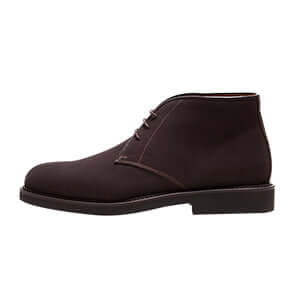 Desert boots
 Oxfords
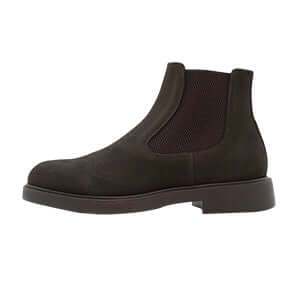 Ankle boots
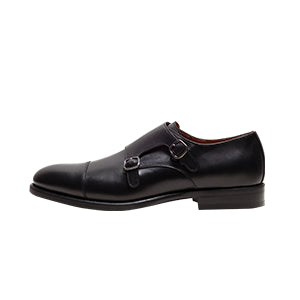 Double Buckle
 End of series
 Novità
 Loafers
 Derby
Derby Oxfords
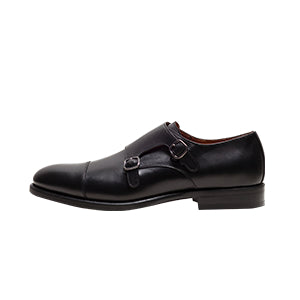 Double Buckle
 Ankle boots
 End of series
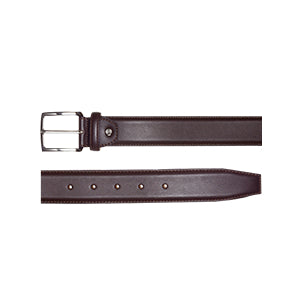 Belts
Belts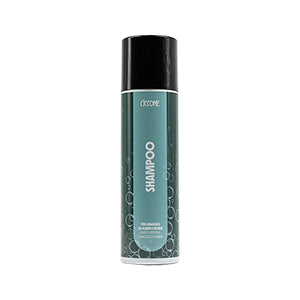 Shoe care
 Insoles
 Men's socks
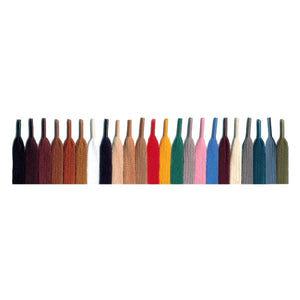 Laces and strings
 Gadgets
History of the penny loafer: origins and meaning
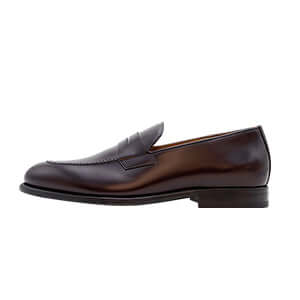
The penny loafer is one of the most recognizable shoes in the world: a Loafer laceless, clean, collegial, elegant without stiffness. All you need is the band on the mask with the typical central slit to identify it immediately.
Why is it called a penny loafer?
It's called a penny loafer because of the very American tradition of putting a penny in the slot of the band. True or partly mythical, this story tells the story of the shoe well: young, everyday and casual.
Essential penny loafer timeline
- Norwegian influences: some slip-on shoes inspire the modern American loafer.
- G.H. Bass: the Weejuns model helps establish the image of the penny loafer.
- American colleges: enter the Ivy and preppy style.
- City and office: goes from campus to adult wardrobe.
- Today: remains one of Loafers more versatile and recognisable.
Before it became a penny, it was already a Loafer precise
The penny loafer was born from a circulation of ideas between Europe and the United States. One of the best-known historical lines connects the American loafer to some Norwegian shoes observed and reinterpreted in the first half of the twentieth century.
G.H. Bass and the American style
The version that becomes iconic takes shape with G.H. Bass and the famous Weejuns. That's where the Loafer enters into an all-American grammar: simple, clean, collegial, elegant without rigidity.
Colleges and Ivy style
The real big leap comes when the penny loafer enters American college campuses. Become an essential part of the Ivy style: soft blazers, chinos, Oxford shirts, clean denim and lightweight knitwear.
It's elegant enough not to appear sloppy, relaxed enough not to appear stiffly grown-up. This is where it truly becomes a classic.
Because it is still relevant
Works with denim, chinos, wool trousers, blazers and knitwear. It can be in smooth leather or suede, more collegial or more adult. It doesn't ask for too much, but gives a lot: essentiality, culture and ease.